
Brazilian Coffee
Brazil's Cerrado and Sul de Minas farms, lower-altitude and naturally processed for a full, nutty body with notes of chocolate and low acidity. Roasted to order and shipped free across Canada over $50.
Products in this collection
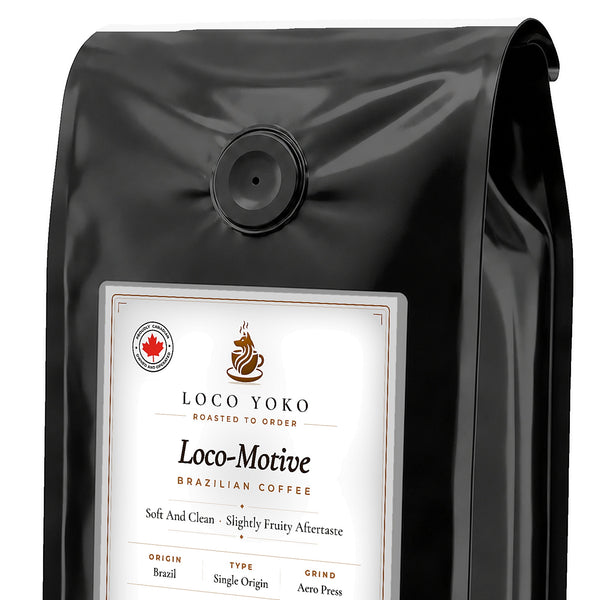
Loco-Motive
Soft and clean · Slightly fruity aftertaste
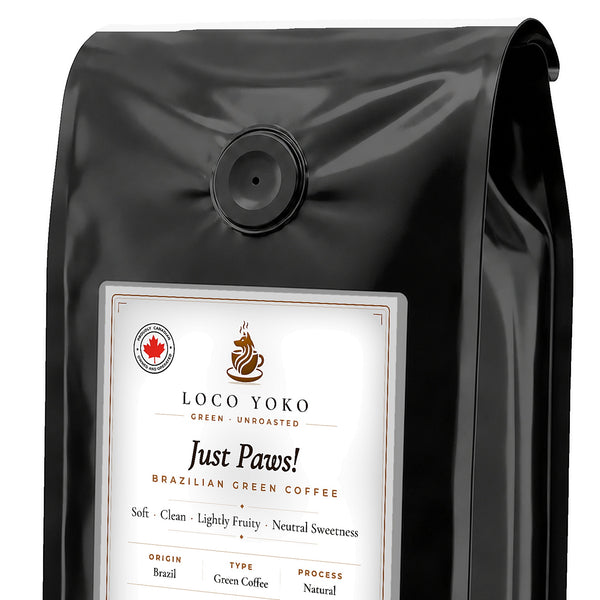
Just Paws!
Soft · Clean · Lightly fruity · Neutral sweetness
Try removing a filter or two.
Tap a choice and we'll take you to the next step.
Brazilian Coffee Beans, Roasted Fresh in Toronto
If you've ever wondered why so many house-blend and breakfast roasts start with Brazilian coffee beans, it comes down to one word: balance. Brazil is the largest coffee-growing country on earth, producing roughly a third of the world's supply, and its high-altitude farms in Minas Gerais, São Paulo, and Espírito Santo turn out a cup that's smooth, low in acidity, and easy to drink black or with milk. At LocoYoko, we roast our Brazilian coffee to order out of our Toronto roastery, so what lands on your doorstep is days — not months — off the roaster.
Why Brazil Produces Some of the World's Best Coffee
Most Brazilian coffees are grown on rolling plains rather than steep mountainsides, which lets farms use mechanized harvesting and dry-processing methods that are hard to replicate elsewhere. The dry (natural) process — where cherries dry in the sun with the fruit still on the bean — is what gives Brazilian coffee its signature chocolate and nut character. It's also part of why brazilian coffee beans wholesale pricing tends to stay more stable than coffee from smaller, harder-to-access origins: consistent yield, consistent quality, year after year.
The main growing regions each bring something slightly different to the cup:
- Minas Gerais (Brazil's largest producing state) — chocolate, caramel, and a nutty finish; the backbone of most brazilian arabica coffee blends.
- Cerrado — bright and clean for a Brazilian, with more noticeable acidity than Minas Gerais lots.
- Sul de Minas — soft, sweet, and mellow, often used as the base for espresso blends.
- Espírito Santo — home to much of Brazil's Conilon (Robusta) production, used for body and crema in espresso rather than filter coffee.
When you buy brazilian santos coffee, you're buying into a grading and export tradition that dates back to the port of Santos, historically Brazil's main coffee export hub — "Santos" became shorthand worldwide for good, reliable Brazilian arabica, the same way "Kona" signals Hawaiian origin.
What Brazilian Coffee Tastes Like
If you're picking your first bag of brazilian beans coffee and want a plain-language answer to "what does it taste like," here's the honest version: think low acidity, medium body, and flavor notes that lean toward milk chocolate, roasted almonds, and a faint sweetness that reads almost like brown sugar. It's rarely fruity or floral the way an Ethiopian or Kenyan coffee can be — Brazilian coffee is comfort-food coffee. It's the roast that works as your everyday drip, your cold brew base, or the foundation of an espresso blend that needs body without bitterness.
This is exactly why best brazilian coffee beans searches so often lead people toward blends and house roasts rather than single-origin espresso shots — Brazilian coffee's job, most of the time, is to be the reliable backbone that other, brighter coffees get layered onto.
Our Brazilian Coffee Lineup
We currently roast two Brazilian coffees, covering both ends of what this origin can do:
Loco-Motive - Brazilian Coffee is our roasted, ready-to-brew Brazilian — available in multiple roast levels and grind types so you can dial it in for pour-over, French press, drip, or espresso. If you want a straightforward answer to "what should my everyday coffee be," this is it.
Just Paws! - Brazilian Green Coffee is for home roasters. We ship the unroasted green beans so you can roast in small batches on your own schedule — a favorite with customers who want full control over roast development, or who are just curious what fresh-roasted really tastes like within minutes of coming off the heat.
Buying Brazilian Coffee: What to Look For
If you're comparing where to buy brazilian coffee online, a few things actually matter more than marketing copy:
- Roast date, not "best by" date. Coffee doesn't go "bad" the way food does, but it does go flat. Look for a real roast date, and buy from roasters who roast to order rather than warehousing bags for months.
- Grade and processing method. Brazilian coffee is typically sold by screen size and defect count (grades like "Fine Cup" or "Strictly Soft"). Natural-processed lots will read sweeter and more chocolatey; pulped-natural lots split the difference between natural and washed.
- Whole bean vs. ground. Whole bean stays fresh longer — grind just before brewing if you can. We offer both, plus specific grind settings for French press, cone drip, flat-bottom drip, Aeropress, percolator, and espresso machines, so you're not stuck guessing.
- Wholesale vs. retail quantities. If you're a café or office buying brazilian coffee wholesale, reach out directly — we can talk volume pricing and roast-to-order scheduling for recurring orders.
- How you store it once it arrives. Keep beans in an airtight container, away from direct light and heat, and resist the urge to refrigerate or freeze an open bag — repeated temperature swings and condensation do more damage than a few extra days at room temperature ever will. A dark cupboard is genuinely the best place for day-to-day storage. If you buy in bulk and won't finish a bag within a few weeks, portion the excess into a sealed, freezer-safe bag before it's ever opened, so the beans you're actively using aren't exposed to repeated air contact every time you dig through the freezer.
One more thing worth knowing if you're new to single-origin coffee: some variation between harvests and roast batches is normal and expected, since coffee is an agricultural product and not a manufactured one — the same way wine from the same vineyard changes slightly by vintage. What stays consistent with us is the sourcing relationship and the roast approach; the beans themselves will always carry a little bit of the season and the specific lot they came from.
Brazilian Coffee vs. Other Origins
New to single-origin coffee and not sure where Brazil fits? Here's the short version: our beans from Ethiopia run fruity and floral, while the Kenyan lots we roast lean bright and almost wine-like — Brazilian coffee is the calm, dependable middle ground between those two extremes. It pairs well as a "gateway" origin for people used to commercial coffee who want to taste the difference fresh-roasted, small-batch coffee makes, without jumping straight into a polarizing, ultra-fruity cup.
If you like what Brazil offers but want a touch more acidity and brightness, our Antigua-region beans from Guatemala are a natural next step — grown at higher altitude, so the cup has more lift while staying easy to drink. From there, our Mexican roast sits in a similar Central American register: a bit more complexity than Brazil, still approachable rather than challenging.
For something completely different in body and mouthfeel while still keeping that low-acid comfort profile, the monsooned beans we bring in from India trade Brazil's chocolate notes for something earthier and spicier.
And if roasting at home appeals to you after trying our Brazilian green coffee, our full unroasted green coffee lineup is worth a browse — we carry raw lots from several origins so you can compare how the same roast profile plays out differently depending on where the beans are grown.
How We Roast Our Brazilian Coffee
Every bag is roasted to order in our Toronto facility — we don't pre-roast and warehouse. That means when you order from us, the beans are still resting (coffee needs 24–72 hours off the roaster before it's at its best) rather than sitting in a distribution center for weeks. We offer Light, Medium, Dark, and Espresso roast profiles on our roasted Brazilian coffee, so whether you want the brighter, more acidic notes a lighter roast preserves or the deep, syrupy body a dark roast develops, there's a version built for your taste and your brew method.
Brazilian Coffee for Espresso: Grading, Beans, and Blending
A lot of the espresso you've had in your life — whether from a café chain or a home machine — has Brazilian coffee somewhere in the blend, even if the bag doesn't say so. Brazilian espresso beans are prized for two things: low acidity and heavy body, both of which translate directly into a smoother shot with thicker crema and none of the sharp, sour notes an under-ripe or overly acidic bean can produce under pressure.
If you're shopping specifically for brazilian santos coffee beans to build your own espresso blend at home, look for lots labeled by screen size (larger screens, like 17/18, generally mean more even roasting) and defect count — "Fine Cup" grades will have fewer defects and a cleaner cup than bulk commercial grades. Some home roasters blend Brazilian with a brighter Central American origin (like our Guatemalan Antigua) at a 70/30 or 60/40 ratio to get body from the Brazilian and acidity/complexity from the other bean. It's a good starting formula if you're experimenting with your own espresso blend for the first time.
Our own Loco-Motive Brazilian Coffee is available in an Espresso roast profile specifically for this — dialed slightly darker and developed longer than our Medium roast to bring out more caramelization without tipping into ashy or burnt territory.
Sourcing and Sustainability
We work with importers who deal directly with Brazilian cooperatives and larger estate farms, prioritizing lots that are traceable back to a specific region (and where possible, a specific farm) rather than anonymous commodity-grade blends. Brazil's coffee industry has made real strides on sustainability certification over the past two decades — look for Rainforest Alliance or UTZ-style certifications if that matters to your buying decision, though certification isn't a perfect proxy for quality or ethics on its own. What we can tell you directly: because Brazil's harvest is large and mechanized, prices stay more stable than smaller origins, which is part of why reliable, honestly-priced Brazilian coffee remains one of the best values in specialty coffee even as smaller-lot origins get more expensive year over year.
Shipping and Ordering
We ship free across Canada on orders over $50, and every bag ships within days of roasting — not weeks. Whether you're ordering a single bag to try, restocking a favorite, or placing a brazilian coffee suppliers-style recurring order for your office or café, the process is the same: pick your roast, pick your grind, and we roast and ship.
---
FAQ
Is Brazilian coffee strong?
Not in the caffeine sense — "strong" in coffee usually means flavor intensity, and Brazilian coffee is actually one of the milder, smoother origins available. It has a full body but low acidity, so it doesn't hit your palate the way a bright, acidic African coffee does. If you're looking for high caffeine content specifically, that has more to do with roast level and bean type (Robusta vs. Arabica) than origin.
What roast level is best for Brazilian coffee?
Medium roast is the most popular choice because it lets the chocolate and nut notes come through without masking them in dark-roast bitterness. That said, Brazilian beans hold up well to darker roasts too, which is part of why they're such a common base for espresso blends.
Is Brazilian coffee good for espresso?
Yes — Brazilian coffee's low acidity and heavy body make it a classic espresso-blend base. Many Italian-style espresso blends are built around Brazilian beans specifically because they produce good crema and a smooth, non-bitter shot.
What's the difference between Brazilian Santos and other Brazilian coffee?
"Santos" refers to the historic export grading standard tied to the port of Santos — it's less a specific flavor profile and more a quality/consistency benchmark. In practice, most well-graded Brazilian arabica sold internationally traces back through this system.
Can I buy Brazilian coffee unroasted?
Yes — our Just Paws! Brazilian Green Coffee ships unroasted for home roasting. It's a great way to taste exactly how fresh coffee can be, since you control the roast date yourself.
Do you offer Brazilian coffee wholesale for cafés or offices?
Yes, contact us directly for wholesale pricing and recurring order scheduling — we roast to order, so we can build a schedule around your actual usage instead of shipping from pre-roasted stock.
Frequently asked questions
The essentials about this collection. Still curious about something?
Ask us anything