
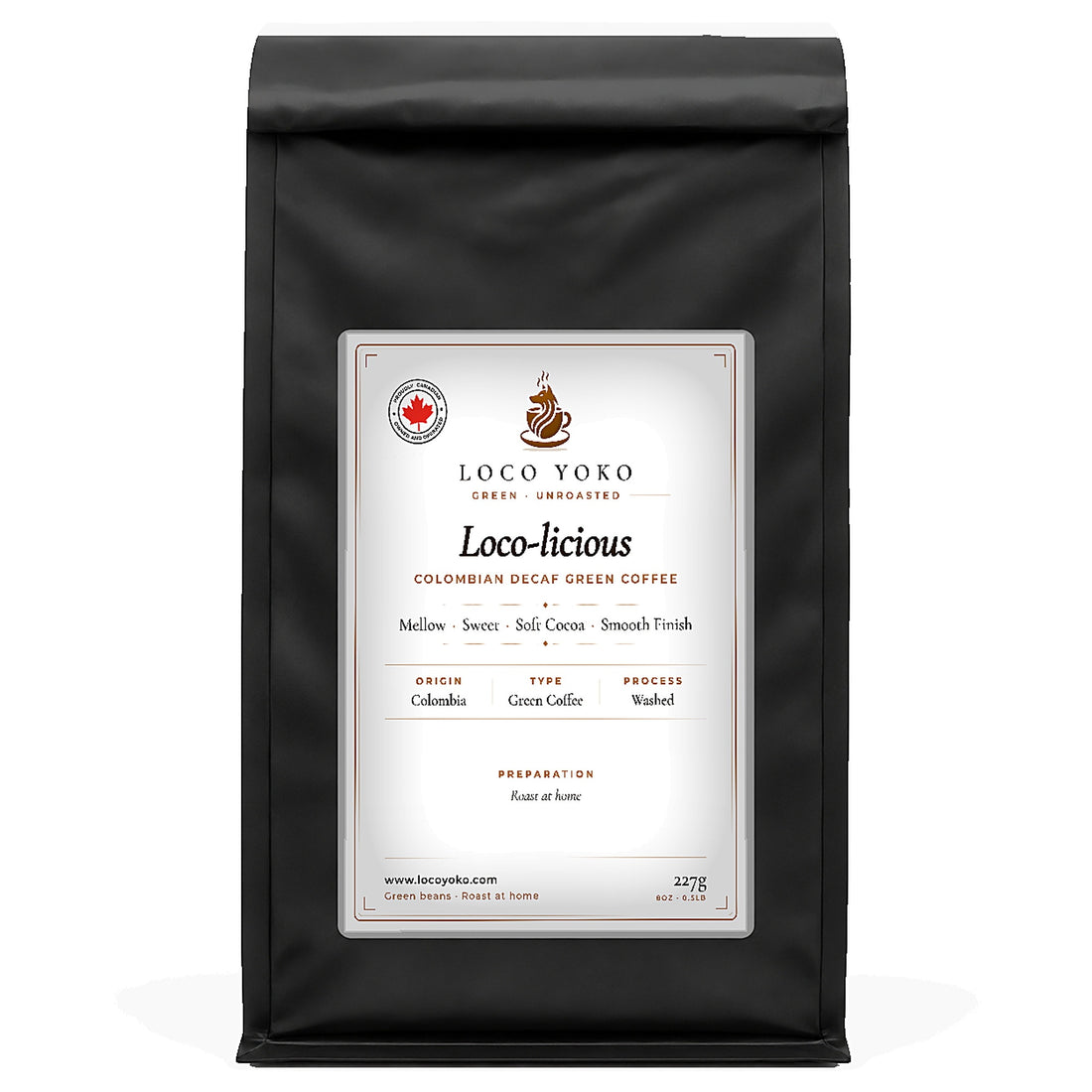


Loco-licious - Colombian Decaf Green Coffee
Green Coffee Beans | Roasted at Home by You | Brought to You by LocoYoko Coffee Decaf doesn’t mean dull — and Loco-licious proves it with every batch. These unroasted Colombian Arabica beans have been decaffeinated using a clean, chemical-free process, allowing you to roast a cup that’s...
 2026 Canadian Choice Award
Proud winner
2026 Canadian Choice Award
Proud winner
Cupping notes: Mellow · Sweet · Soft cocoa · Smooth finish. Single-origin from Colombia. Roasted to order and stamped with its roast date — best enjoyed within 4 weeks.
We roast and ship Monday–Friday, usually within 24 hours. Free shipping Canada-wide on orders over $50; flat $6 under. Our 30-day happiness guarantee means we'll make it right.
Pour-over (V60): 1:16 ratio, 22 g coffee to 350 g water at 94 °C, ~2:45 total. Prefer filter or French press? Pick your grind above and we'll dial it in.
The spec sheet.
Every bag is stamped with the day it was roasted. If it's older than 30 days when it reaches you, we'll replace it free.
What Canadians say.
Write a review
Switched from the grocery-store stuff and never looked back. Loved discovering Colombia. Fresh every time.
Gorgeous cup. Mellow on the nose, smooth all the way down. Feels premium without the airs.
I've reordered three times now. Smooth, balanced and the coffee I reach for every single morning.
Pairs well with.
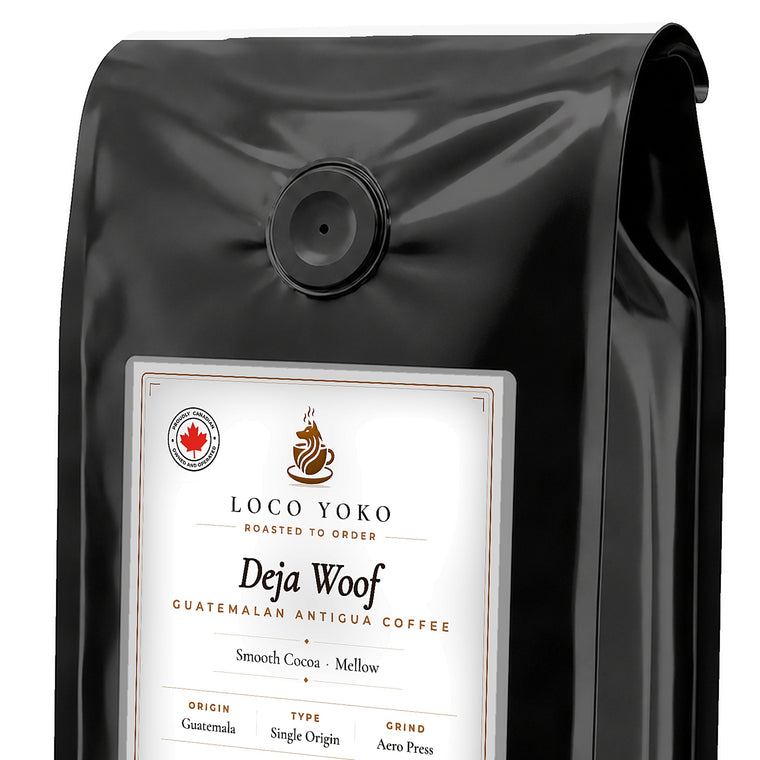
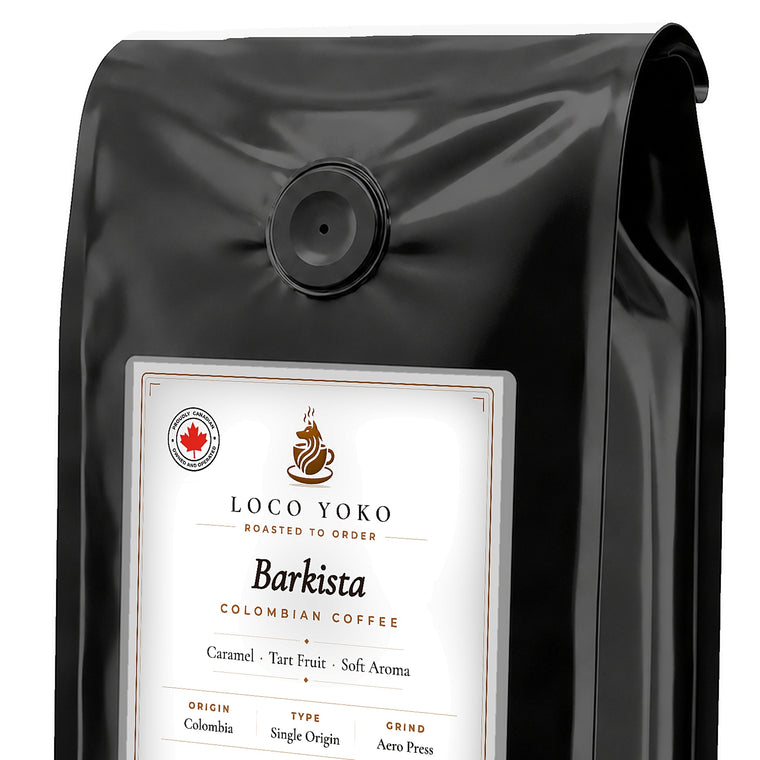
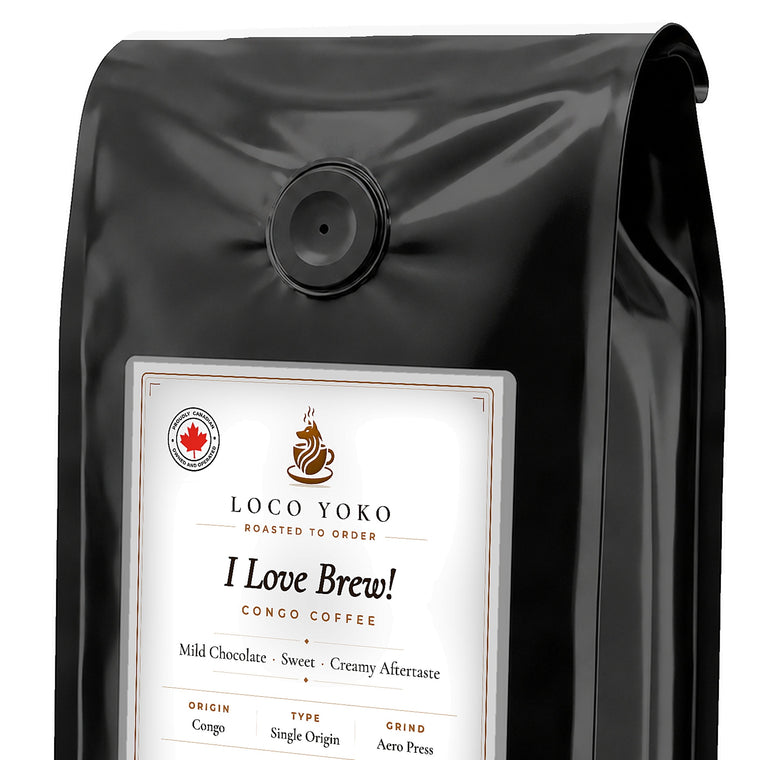
A Colombian Decaf That Doesn't Taste Like an Apology
Loco-licious is our Colombian decaf green coffee, and we say "green" deliberately: this listing is unroasted colombian decaf coffee, sold as coffee raw beans rather than a roasted, ready-to-brew bag. It's grown in the same Colombian growing regions that produce the fruit-forward, cocoa-heavy lots we're known for, then processed to remove caffeine before it ever reaches our roaster in Toronto. What's left, once you roast it yourself, is a cup that's mellow, sweet, with soft cocoa and a smooth finish — genuinely satisfying, not a watered-down stand-in for the "real thing." If you've written off decaf as thin or flat, this is the bean we'd hand you to change your mind.
We carry Loco-licious specifically for home roasters and small-batch buyers who want control over roast level, and for anyone building out a personal coffee rotation who wants a low-caffeine option without switching to herbal substitutes. Buying it green means you decide how far to push the roast, how fresh it is the day you drink it, and — if you're into it — you get to watch first crack happen in your own kitchen.
Where It's Grown and How It Loses Its Caffeine
Colombia's coffee belt runs through three main mountain ranges — the Cordillera Central, Oriental, and Occidental — where volcanic soil, consistent rainfall, and altitudes between 1,200 and 2,000 metres give arabica plants the slow ripening that builds sugar and body into the cherry. That's the foundation of any good colombian coffee sweet cocoa flavour profile, decaf or not: altitude and soil do most of the flavour work long before a bean touches decaffeination equipment.
For the decaffeination itself, we work with lots processed using the Swiss Water Process, a chemical-solvent-free method that relies on time, temperature, and a green coffee extract (GCE) solution to pull caffeine out of the bean while leaving the flavour-carrying compounds largely intact. Beans soak in this GCE solution, caffeine migrates out by osmosis, and activated carbon filters strip the caffeine from the solution so it can be reused on the next batch. It's slower and pricier than solvent-based methods, but it's why swiss water decaf coffee beans canada roasters (us included) keep coming back to it — no methylene chloride, no ethyl acetate residue, just water, carbon, and time. Depending on the specific lot, some Colombian decaf on the market instead goes through a sugarcane process decaf coffee beans method, which uses ethyl acetate derived from fermented sugarcane (sometimes marketed as the "EA process") — a different but also chemical-conscious route. We specifically source our colombian decaf coffee beans swiss water process lots because the flavour retention tends to be more consistent batch to batch, which matters a lot when the entire point of a coffee is its delicacy.
Either way, decaffeination isn't total — Swiss Water lots typically land at 99.9% caffeine-free, not 100%. If you're avoiding caffeine for a medical reason rather than a lifestyle one, that distinction is worth knowing before you brew a pot at 9pm.
Flavour Profile: Mellow, Sweet, Soft Cocoa, Smooth Finish
Once roasted, Loco-licious pours a cup that leans gentle rather than bold. The tasting notes we consistently pull from this lot are mellow sweetness up front, a soft cocoa note through the middle — think dark chocolate with the edge sanded off, not bitter baking cocoa — and a finish that trails off clean and smooth rather than lingering or drying out the palate. There's no sharp acidity fighting for attention, no metallic aftertaste, and none of the flatness some drinkers associate with decaf. If a colombian decaf coffee tasting notes list has disappointed you before — dull, papery, one-dimensional — this lot is built to be the opposite of that experience: it's a smooth decaf coffee no bitterness profile from the first sip to the last.
That combination makes it a strong match for people who describe themselves as low acid decaf coffee beans drinkers by preference, not by necessity. The Swiss Water process combined with a medium roast keeps brightness low without leaving the cup tasting hollow — the cocoa sweetness fills that space instead.
Who This Coffee Is For
Loco-licious earns its spot in a lineup for a few different kinds of drinkers. First, the evening coffee drinker — someone who wants the ritual and the flavour of a full cup after dinner without the 2am ceiling-staring that comes with a real dose of caffeine. Second, the pregnant or nursing customer, or anyone managing a heart condition, anxiety, or a doctor's recommendation to cut back, who still wants a proper cup rather than a compromise. There's a real decaf coffee no caffeine health benefits case here too — plenty of people simply feel better on less caffeine: steadier energy, less jitteriness, easier sleep — while still wanting the antioxidants, warmth, and ritual that coffee provides.
Third, and specifically because this is sold green: home roasters. If you've got a home roaster, an air popper you've repurposed, or a stovetop rig and you're looking to round out your green bean inventory, Loco-licious gives you a chance to dial in a decaf roast profile exactly the way you'd dial in a caffeinated one. Decaf beans behave a little differently on the roaster — more on that below — so if you're looking for a genuinely useful decaf coffee for home roasting practice, this is a good place to start without burning through a whole bag of caffeinated stock on trial and error.
Roast and Grind Guidance
Decaffeinated green coffee roasts differently than caffeinated green coffee, and it catches new home roasters off guard if nobody warns them. The Swiss Water process leaves beans slightly more porous and a touch darker in raw colour than untreated green coffee, which means they absorb heat faster and can go from first crack to scorched in a noticeably shorter window. Two practical adjustments help:
- Drop your charge temperature 10-15°F lower than you would for a comparable caffeinated Colombian lot, since the beans are already primed to heat up quickly.
- Watch for first crack earlier than you'd expect, and pull the roast a touch sooner than instinct tells you — decaf beans can look under-roasted by colour while already being fully developed internally.
We'd point most home roasters toward a medium roast for this lot specifically — it's where the cocoa notes get the most room to develop without tipping into roast-driven bitterness that would undercut the whole point of buying a smooth, mellow decaf in the first place. If you push it darker, you'll trade some of that soft cocoa sweetness for straightforward roast flavour, which somewhat defeats the purpose of choosing this bean over a bolder origin.
Once roasted, give it the same 24-72 hour rest we recommend for every coffee we roast to order — degassing calms down, and the flavour stops tasting sharp or "green" around the edges. Skipping the rest is the single most common reason a freshly roasted decaf coffee no bitterness profile tastes harsher than expected straight off the roaster; give it the two to three days and the sharpness settles into the sweetness this bean is actually known for. For grind, match your brew method as usual: coarse for French press, medium for drip or pour-over, fine for espresso. Because this is a mellow, low-acid cup to begin with, we'd lean toward drip or pour-over methods that let the sweetness come through cleanly, rather than methods that concentrate intensity, like a very fine espresso grind, which can mute the subtlety this bean is best at.
Brewing Tips for the Best Cup
A few things make a real difference with this particular coffee. Water temperature matters more than usual here — aim for 195-205°F. Water that's too hot will pull out unwanted bitterness that fights against the smooth character this bean is known for; water that's too cool will leave the cocoa notes underdeveloped and the cup tasting thin. Use a ratio around 1:16 (one gram of coffee to sixteen grams of water) as a starting point, and adjust from there based on how sweet or how strong you like it.
Because the flavour profile is gentle, we'd steer away from very long steep times (like a cold brew sitting for 18+ hours), which tend to extract more bitterness than sweetness from a mellow bean like this one. A standard 4-minute French press, or a 3-3.5 minute pour-over, tends to hit the sweet spot. If you like your coffee with milk, this is also a genuinely good bean for that — the cocoa notes hold up well and actually complement dairy or oat milk rather than disappearing under it. A few other habits worth building in: grind right before you brew rather than in advance, since ground decaf loses its aromatics just as fast as ground caffeinated coffee does, and store the unroasted beans somewhere cool, dark, and dry until you're ready to roast — green coffee holds up far longer in storage than roasted coffee does, but it's not indefinite, and heat and light are still the enemy.
How It Compares to Our Other Colombian and Decaf Lots
If you're deciding between our Colombian offerings, here's how Loco-licious stacks up. Our Colombian green coffee sold under the Green Machine name is the caffeinated sibling to this lot — same growing regions, same altitude range, full caffeine, and a slightly brighter, more fruit-driven cup since it hasn't gone through any decaffeination process. If you want the Colombian character with the energy kept in, that's the one to grab instead.
For a roasted, ready-to-brew version of a very similar profile, look at Yoko's Special Decaf, our Colombian Swiss Water decaf that we roast ourselves before it ships. It's built from the same processing philosophy as Loco-licious — same Swiss Water method, same regional sourcing — but it arrives at your door already roasted and rested, which is the better pick if you don't have roasting equipment or just want it ready to brew the day it lands.
And if you're curious what full-strength Colombian intensity tastes like on the other end of the spectrum, Yoko's Courage takes the same origin and pushes it into espresso territory — bolder, more concentrated, and fully caffeinated. Together, these three give you a real spread: green and decaf for roasting yourself, roasted and decaf for convenience, or roasted and caffeinated for an espresso-forward cup. You can browse the full spread of what we carry from this origin, caffeinated and decaf alike, on our Colombian collection page, where all our colombian + decaf listings sit side by side for easy comparison.
Buying Green Coffee in Canada
We roast everything to order out of Toronto, and Loco-licious ships the same way every other unroasted lot does: sealed to protect it from moisture and light until you're ready to roast. If you're new to sourcing raw beans, buying green coffee beans canada-wide can be trickier than it should be — a lot of "green coffee" listings online are actually old, stale stock that's been sitting in a warehouse for a year. Ours moves through inventory quickly because we roast constantly, so what you're ordering is fresh green stock, not a bag that's been on a shelf since last harvest — that's true whether you're here for a decaf lot or you buy green coffee beans canada-wide for our caffeinated origins too.
We ship free across Canada on orders over $50, which makes it easy to build out a small green coffee library — grab this decaf alongside one or two caffeinated origins and compare roast behaviour side by side. Whether you're specifically looking to buy decaf coffee beans online canada wide, or you just want a reliable decaf green coffee beans option to add into a rotation with your regular roast, Loco-licious is built to be the dependable, low-drama choice: consistent sourcing, a proven process, and a cup that tastes like it was made on purpose, not apologized for.
For anyone specifically hunting for a colombian decaf coffee canada option that doesn't cut corners on flavour to hit a caffeine target, this is our answer. It's the same care we put into every roast, just with the caffeine taken back out at the source. And because it ships green, it's also one of the more flexible ways to buy decaf coffee beans online canada shoppers can get their hands on right now — you're not locked into a roast level someone else picked for you.
FAQ
Is Loco-licious roasted or unroasted?
Loco-licious is sold as unroasted, raw green coffee. It's meant for home roasters or anyone who wants to roast it themselves rather than receive a ready-to-brew bag. If you'd prefer a version we've already roasted and rested for you, Yoko's Special Decaf uses the same Colombian Swiss Water processing but ships roasted.
What decaffeination method is used for this coffee?
This lot is decaffeinated using the Swiss Water Process, a solvent-free method that uses a green coffee extract solution and activated carbon filtration to remove caffeine while preserving as much of the bean's natural flavour as possible. It typically results in beans that are about 99.9% caffeine-free, which is a meaningfully different process than the sugarcane-based EA method some other decaf coffees use.
Does decaf coffee actually taste as good as regular coffee?
It depends heavily on the processing method and the quality of the green coffee going in. Cheaper decaf, especially older or solvent-processed stock, can taste flat or papery. Because Loco-licious starts from good Colombian green coffee and goes through the Swiss Water process, it holds onto real sweetness, body, and a soft cocoa character rather than tasting like a diluted version of a "real" coffee.
How should I roast this at home if I've never roasted decaf before?
Drop your charge temperature slightly below what you'd use for caffeinated Colombian green coffee, and watch closely for first crack — decaf beans tend to develop faster and can look lighter than they actually are internally. We recommend stopping at a medium roast to let the cocoa and sweetness come through without tipping into bitterness.
Is this coffee actually caffeine-free?
Not entirely — Swiss Water processed decaf is typically around 99.9% caffeine-free, not zero. It's an appropriate choice for most people cutting back on caffeine for comfort or sleep, but if you need to avoid caffeine entirely for a medical reason, that's worth discussing with your doctor.
What's the best way to brew this coffee for the smoothest cup?
Use water between 195-205°F, a roughly 1:16 coffee-to-water ratio, and a moderate brew time — around 3-4 minutes for pour-over or French press. Avoid very long extractions like extended cold brew steeps, which tend to pull more bitterness than sweetness out of a mellow bean like this one.
Frequently asked questions
The essentials about this coffee. Still curious about something?
Ask us anything