Light vs Medium vs Dark Roast: The Real Differences

Coffee roast levels are the biggest flavour decision you make with a bag of beans — bigger than origin for most people, and bigger than brew method too. But "light," "medium" and "dark" aren't precise scientific categories. They're useful shorthand for a continuous process, and understanding what happens when coffee is roasted explains why each stage tastes the way it does.
What Happens When Coffee Is Roasted
Green coffee beans are dense, grassy-smelling and essentially unroastable as a drink. Roasting applies heat over time, and the bean changes in stages. Around what roasters call "first crack," moisture trapped inside the bean turns to steam and the structure expands with an audible pop — this is roughly where light roast begins. Push further and the bean keeps losing moisture and mass, sugars and amino acids undergo the Maillard reaction and caramelisation (the same browning chemistry that happens in bread crust or a seared steak), building the sweet, nutty, chocolatey flavour compounds coffee is known for. Push further still and you reach "second crack," a second, quieter structural breakdown where the bean's own oils begin migrating to the surface — the hallmark of a dark roast.
Two things happen consistently as roasting progresses: the organic acids naturally present in green coffee (chlorogenic acid among them) break down with sustained heat, which is why darker roasts taste less acidic and sharp than lighter ones. And the bean's original character — shaped by where it grew, the variety, and how it was processed — gets progressively replaced by roast-derived flavour, the taste of the roasting itself rather than the origin underneath it.
Light Roast Coffee
Roasted just past first crack and pulled before much caramelisation sets in. Because the beans have spent less time under heat, fewer of the origin's original acids and aromatic compounds have broken down, which is why light roast coffee carries the most origin character — you genuinely taste where the coffee is from: the fruit notes of an Ethiopian, the vibrant acidity of a Kenyan. Expect bright, sometimes tea-like or fruity flavour, with a lighter body since less of the bean's structure has broken down and released oils. Light roast tends to be the best roast for pour-over and other filter methods, where clarity is the point.
Medium Roast Coffee
Medium roast coffee is roasted further into or just past first crack, giving the Maillard reaction and caramelisation more time to work. Acidity softens further, body increases, and you start getting the flavours most people associate with "coffee flavour" itself — chocolate, caramel, toasted nut. This is the roast level most brewers and most palates land comfortably in, because it balances what the origin brought with what the roast added, and it performs well across nearly any brew method rather than demanding a specific one.
Dark Roast Coffee
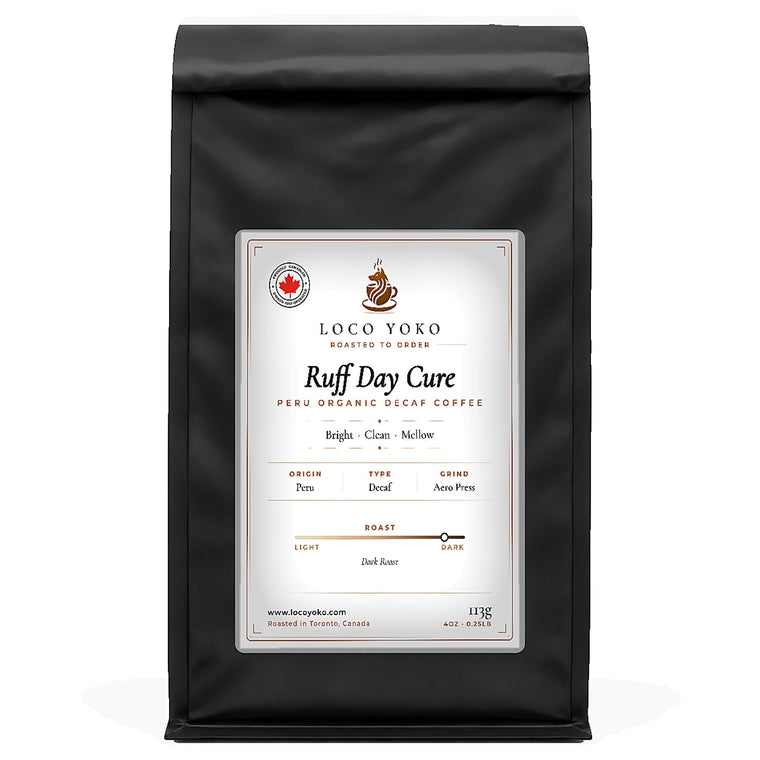
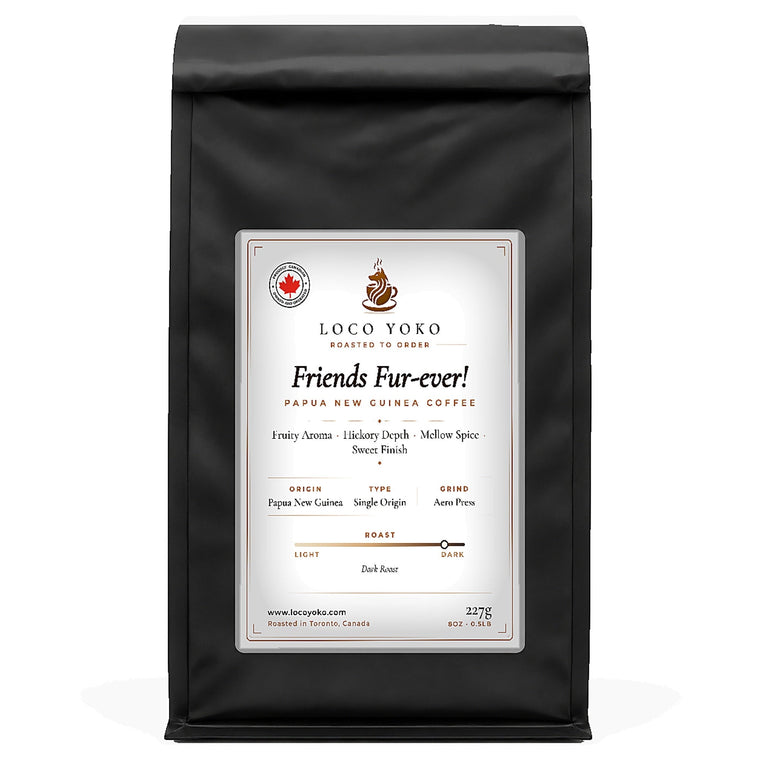
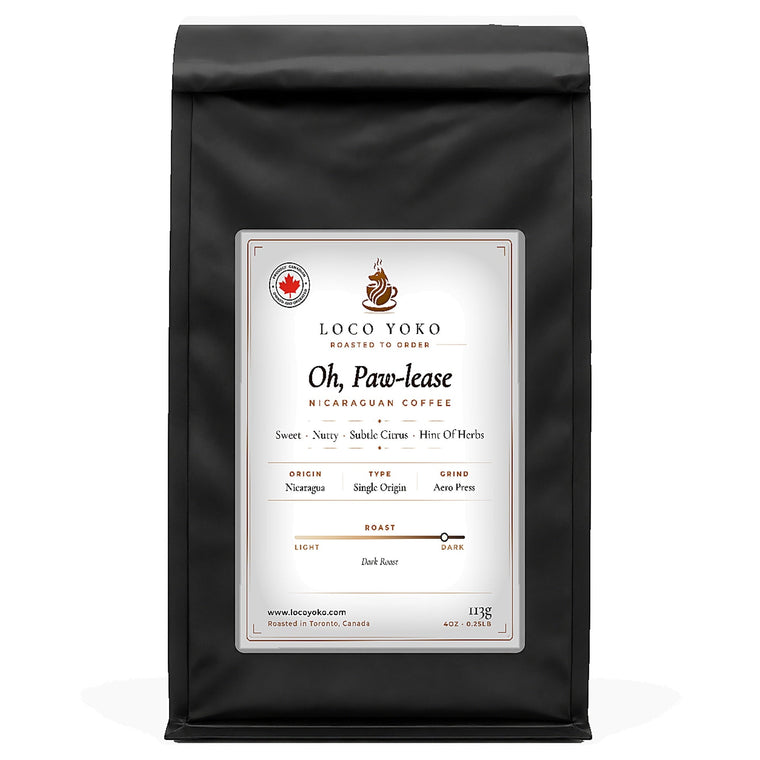
Dark roast coffee is taken to or past second crack. At this point the bean's own oils have pushed to the surface, giving the beans their characteristic sheen, and the organic acids that gave lighter roasts their brightness have broken down substantially — the result is a cup that's bold, low in acidity, sometimes smoky or bittersweet, with the roast itself as the dominant flavour rather than the origin underneath. Body is typically fuller, since more oil has migrated out of the bean's cell structure. This combination makes dark roast coffee the best roast for espresso, where its boldness holds up against the pressure and speed of extraction, and it works just as well in milk-based drinks, where a strong, roasty flavour cuts through steamed milk instead of getting lost in it.
How roast level interacts with your brewer
Roast level and brew method aren't independent choices — they interact. Darker roast beans are more brittle because their internal structure has broken down further, so they tend to grind slightly finer and more inconsistently at the same grinder setting than lighter roasts, which can push extraction toward bitterness if you don't adjust for it. Their surface oils can also build up in a grinder's burrs over time and, in an espresso machine's portafilter basket, can affect how evenly water flows through the puck. Light roast beans are denser and harder, grinding a touch coarser at the same setting, and their lower oil content keeps things cleaner but can make them slightly harder to extract fully in fast, high-pressure methods like espresso — which is part of why light roast tends to perform best in slower filter methods that give it more time to give up its flavour.
None of this means a rule is being broken if you brew a light roast as espresso or a dark roast as pour-over — plenty of people do both happily. It just means you may need to adjust grind size, dose or brew time a bit more than you would sticking to the "expected" pairing.
A word on roast naming
Roast-level names aren't standardised across roasters. There's no regulatory line that defines exactly where "medium" ends and "dark" begins — one roaster's medium can look and taste like another roaster's dark, especially since factors like bean density and roast time also shift the picture. Treat roast names as a rough guide to flavour rather than a fixed specification, and don't be surprised if the same label means slightly different things from bag to bag.
Does Roast Affect Caffeine?
Not much, as it turns out. Caffeine is fairly heat-stable through normal roasting temperatures, so the differences you notice between a light and dark roast are almost entirely about flavour and body, not the buzz.
Choosing Between Coffee Roast Levels
If you love brightness, complexity and want to genuinely taste an origin, go light — it rewards attention and suits pour-over particularly well. If you want something smooth, balanced and forgiving across brew methods, medium is the sensible everyday choice. If you prefer bold, rich coffee, especially with milk, dark roast delivers that reliably. None of these is objectively "better" coffee — they're different expressions of the same beans, and the right one is whichever matches how you actually like to drink it.
LocoYoko roasts to order across light, medium and dark, using single origins from Ethiopia, Kenya, Colombia, Brazil, Peru, Guatemala, Costa Rica, Nicaragua, Congo, India, Indonesia, Java and Papua New Guinea, with free shipping across Canada on orders over $50. The same origin can taste noticeably different at two roast levels, which is part of what makes trying both worthwhile.