
Espresso Collection
Roasts built for pressure: rich crema, balanced body and a syrupy shot every time.
Products in this collection
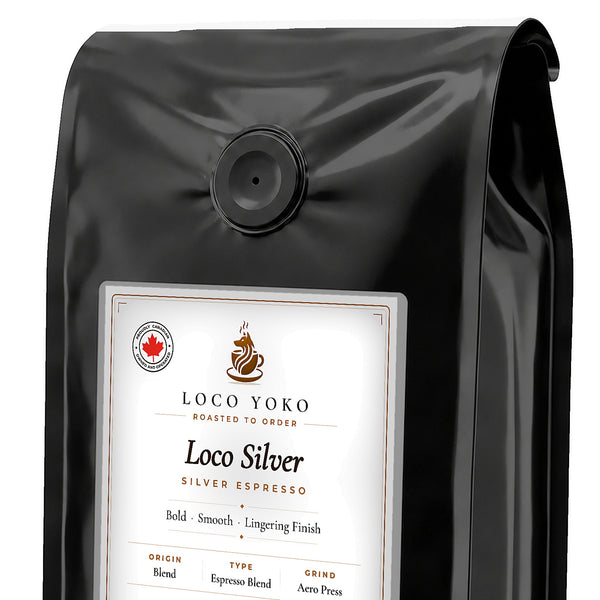
Loco Silver
Bold · Smooth · Lingering finish
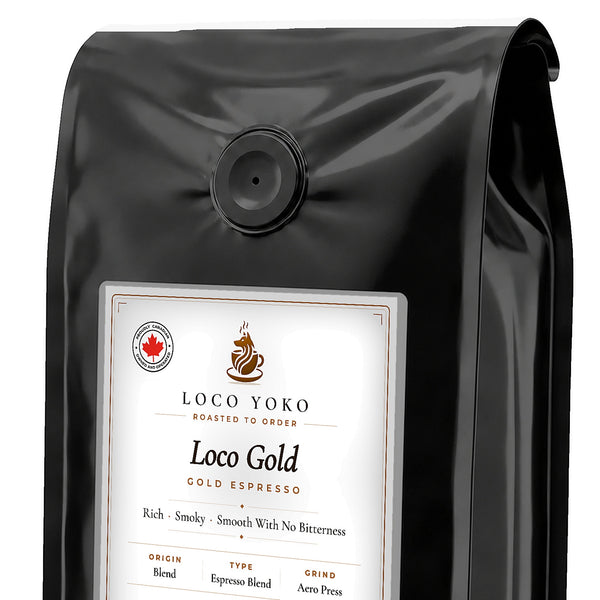
Loco Gold
Rich · Smoky · Smooth with no bitterness
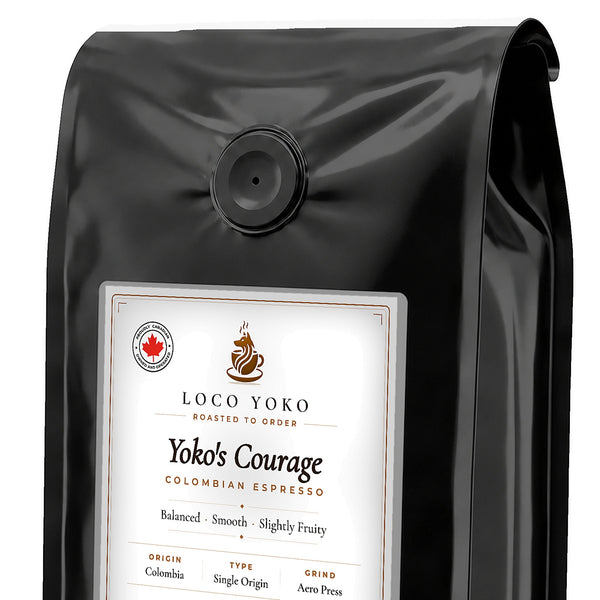
Yoko's Courage
Balanced · Smooth · Slightly fruity
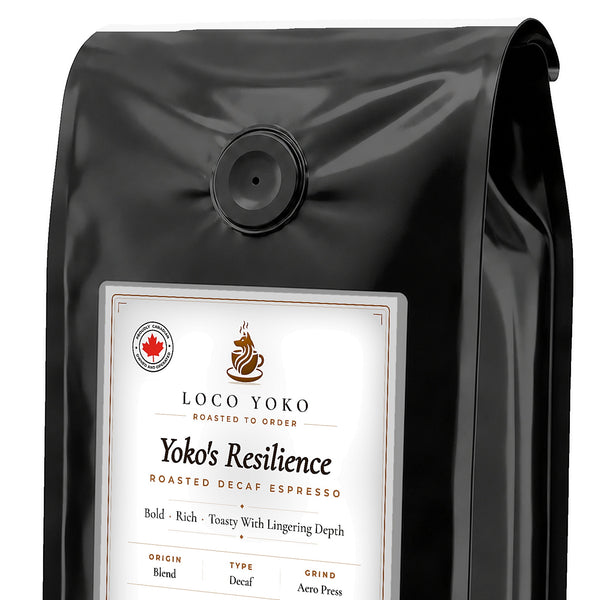
Yoko's Resilience
Bold · Rich · Toasty with lingering depth
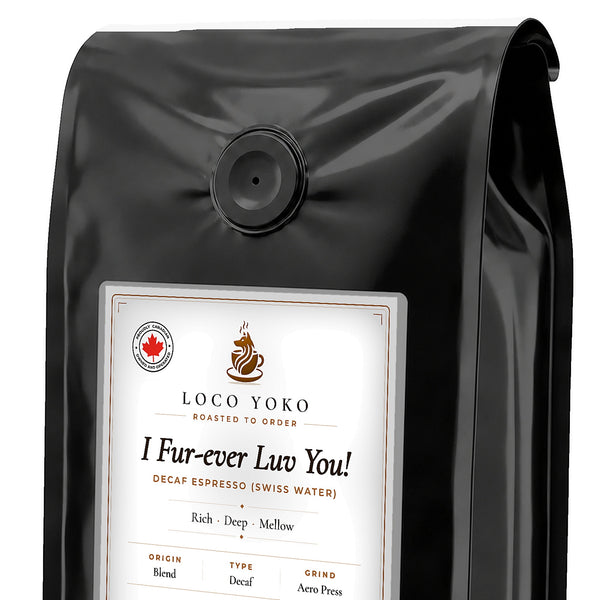
I Fur-ever Luv You!
Rich · Deep · Mellow
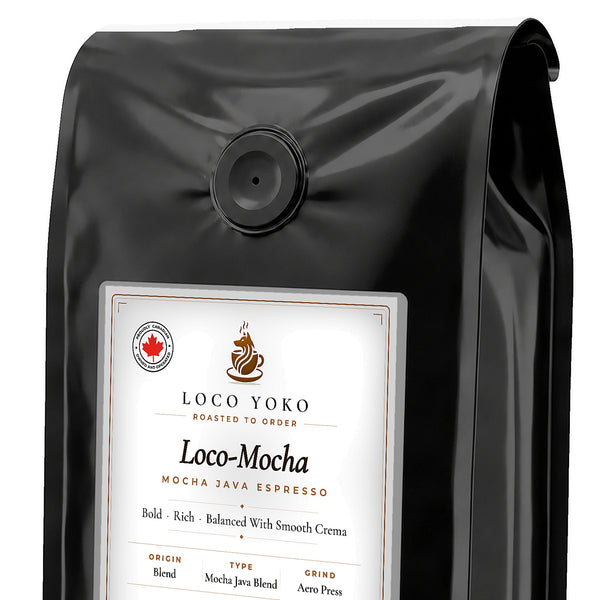
Loco-Mocha
Bold · Rich · Balanced with a smooth crema
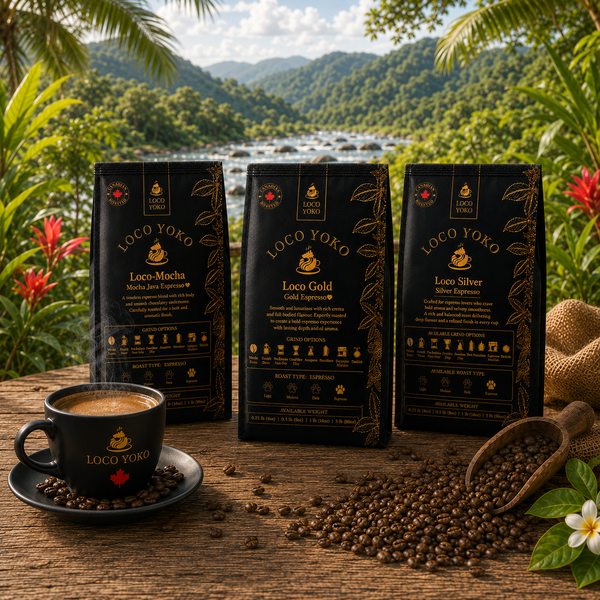
Espresso Trio Bundle
Try removing a filter or two.
Tap a choice and we'll take you to the next step.
Welcome to our espresso lineup
If you've landed here, you're probably not just making drip coffee at home, you've got a machine on the counter, or a moka pot, or you're at least seriously considering the jump. This page is where we've gathered every espresso coffee beans option we roast specifically with pressure brewing in mind, rather than beans optimized for a filter cone or French press. It's a smaller, more focused shelf than our main coffee collection, on purpose, because espresso is a fussier brew method that rewards beans roasted with it specifically in mind.
Think of this less as a subset of our wider roasted coffee catalog and more as its own specialized department. Everything here has been roasted, rested, and tested with a portafilter in mind, not just relabeled from our drip lineup. If you've spent time browsing big specialty retailers like an espresso planet Canada shoppers might already know, the same logic applies here: a dedicated espresso shelf, curated specifically for pressure brewing, tends to serve you better than sifting through a general catalog hoping you land on the right bag.
Why espresso beans are different from "regular" coffee beans
This is the most common misconception we run into: there's no botanical difference between an espresso bean and a drip coffee bean. Same plant, same species. What's different is the roast profile and, often, the blend composition. Espresso brewing forces hot water through finely-ground coffee under significant pressure in a short amount of time, roughly 25-30 seconds. That process concentrates flavor, acidity, and bitterness far more intensely than a slow drip or pour-over ever will.
Because of that intensity, beans roasted for espresso are usually taken a bit further into the roast, developing more body and sweetness while tempering the sharp acidity that a light roast would otherwise throw at you in concentrated form. That's not a hard rule, some cafes now serve lighter-roast single-origin espresso, but it's why we treat this as its own curated shelf rather than just pointing you toward our darkest drip roast and calling it done.
What's on this shelf right now
We keep this collection tight rather than sprawling, because espresso is where small differences in bean selection show up loudest in the cup. A few of our core options:
- Our Mocha Java-style espresso blend combining Indonesian and Yemeni-style character leans into a classic, slightly wild, earthy profile that's stood the test of time in espresso blending for over a century.
- If you're after something cleaner and brighter that still holds up under pressure brewing, our broader mocha java mixed-blend collection gives you a few variations to compare side by side.
- Our Silver espresso roast, tuned for a smoother, rounder shot is a strong pick if you're newer to espresso and want something forgiving rather than sharp.
- For something with more punch and roast-driven intensity, our Gold espresso roast, built for bolder, more assertive shots is the one regulars tend to graduate toward.
- If you'd rather work from a naturally decaffeinated option that still pulls a proper shot, our Colombian and decaf lineup includes options that hold up fine under pressure brewing, not just as an afterthought.
What actually makes a good espresso bean
People searching for the best espresso beans or the highest rated espresso beans online often end up comparing star ratings without understanding what's actually being rated. A genuinely good espresso bean comes down to a few concrete things: freshness (espresso is brutally unforgiving of stale coffee, since the pressure exposes every flaw), a roast profile developed specifically for the intensity of the brew method, and a blend or origin chosen for body and crema rather than delicate acidity that would just read as sourness under pressure.
We'd argue that great espresso beans are less about chasing a specific origin and more about whether the roaster actually dialed the profile in for espresso rather than repurposing a drip roast. That's the whole premise of this collection: every bag here was developed and tested as espresso first.
How to know if a bean will work for your machine
Whether you're pulling shots on a prosumer machine, a basic single-boiler setup, or a stovetop moka pot, the fundamentals of good beans for espresso stay the same: freshness, a roast level with enough development to avoid harsh sourness, and a grind you can adjust finely. If your machine struggles to build pressure or your shots taste consistently sour no matter what you grind, the bean is rarely the sole culprit, but starting with beans actually roasted for espresso removes one major variable.
A quick gut check if you're shopping around for coffee bean espresso beans beyond just us: ask when it was roasted. If a bag doesn't list a roast date, or it's been sitting for a month or more, that's a bigger red flag for espresso than for any other brew method, because the pressure will expose flat, stale flavor almost instantly.
A note on chocolate-covered coffee beans
We occasionally get asked whether our espresso beans double as snacking beans, as in, the kind you'd find as chocolate covered coffee beans at a candy counter. Ours aren't sold that way; everything in this collection is roasted and packaged for brewing, not confectionery. That said, if you're an espresso lover who also enjoys the occasional chocolate-dipped treat, a dark or milk chocolate coating actually pairs nicely with the bold, slightly bittersweet character of a well-developed espresso roast like our Gold blend, so it's not a bad DIY project if you've got a double boiler and some patience.
Getting the most out of your bag
A few habits make a real difference once you've picked your beans. Grind just before brewing rather than in advance, since ground coffee loses its aromatics within minutes, not days. Dial in your grind size gradually, espresso is sensitive enough that a small adjustment can take a shot from sour and thin to balanced and syrupy. And don't be afraid to experiment with dose and shot time; the "right" recipe varies by bean and by machine, and the roast date on the bag matters more to your result than almost any equipment upgrade you could make.
Reading a shot to know if you're close
Once you've got beans that are actually meant for espresso, the next skill is learning to read what's coming out of the portafilter. A shot that's pulling too fast, gushing out thin and pale within ten or fifteen seconds, is usually a sign your grind is too coarse, letting water rush through without enough resistance to properly extract the coffee. The result tastes sour and underdeveloped, missing the sweetness and body a good espresso roast should deliver. On the other end, a shot that's dripping out slowly, taking well over 35-40 seconds and looking dark and syrupy almost to the point of stalling, is usually too fine a grind, over-extracting and pulling out bitter, harsh compounds along with the good stuff.
The sweet spot most people aim for is somewhere around 25-30 seconds for a standard double shot, with a golden-brown crema on top that holds for a few seconds before dissipating. Getting there is rarely a one-and-done adjustment; it's small, iterative tweaks to grind size, dose, and tamp pressure, tasting as you go. This is exactly why starting with beans actually roasted for espresso matters so much: it removes one entire variable from an already fiddly process, so when a shot tastes off, you know to look at your grind and technique rather than wondering if the bean itself was ever going to work.
Matching beans to your taste, not just a star rating
Online reviews chasing the best coffee beans for espresso title tend to flatten everything into a single ranking, as if one bean could be objectively best for every palate and every machine. In practice, what reads as a phenomenal shot to someone who loves bold, chocolatey, low-acid coffee might taste flat and one-dimensional to someone who prefers a brighter, more fruit-forward espresso. That's really the whole reason this collection has more than one option in it. If you gravitate toward big, syrupy, slightly smoky flavor, our Gold roast or Mocha Java blend are built for you. If you want something rounder and easier to live with day to day, especially while you're still learning your machine, the Silver roast is the more forgiving choice.
Our honest advice if you're new to this: don't chase whatever a review site currently crowns as the definitive highest rated espresso beans, since that ranking is inherently just one taster's preference dressed up as consensus. Order something roasted specifically for espresso, actually taste it black before doctoring it with milk or sugar, and use that as your baseline for what you like more or less of next time.
Espresso at home versus espresso at a cafe
One thing worth setting expectations on: even with genuinely great espresso beans, a home setup rarely produces an identical shot to what a trained barista pulls on a commercial machine with precise temperature stability and consistent pressure profiles. That's not a knock on your equipment, it's just physics and consistency at scale. What a good bean does is close a huge part of that gap. A stale or poorly roasted bean will taste mediocre no matter how good the machine pulling it is, while a well-roasted, properly rested espresso bean will often produce a genuinely excellent shot even on a modest home machine or a basic moka pot. Prioritize the bean and your technique before you assume the answer is a more expensive machine.
This is also why we'd encourage patience if your first few shots aren't quite where you want them. Espresso has a steeper learning curve than drip or pour-over because there are more variables in play at once, grind, dose, tamp, temperature, timing, and it takes most people a few weeks of regular practice to start pulling consistently good shots. Buying beans that were actually roasted for this brew method means every one of those practice shots is working with a fair starting point rather than fighting against a bean that was never suited to the job in the first place.
FAQ
What's the difference between espresso beans and regular coffee beans?
There's no botanical difference, it's the same coffee plant. The difference is in the roast profile: espresso beans are typically roasted a bit further to build body and sweetness and tame the acidity that pressure brewing would otherwise concentrate and exaggerate.
Can I use espresso beans in a regular drip coffee maker?
Yes, though the flavor will lean bolder and more roasted than a typical drip-optimized bean, since espresso roasts are usually taken a little darker. It won't hurt your machine or taste bad, it'll just taste noticeably different from a bean chosen specifically for filter brewing.
How fresh should espresso beans be before I use them?
As fresh as possible, and ideally used within a few weeks of the roast date. Espresso is especially sensitive to staleness because the brewing pressure exposes flat or dull flavors almost immediately, more so than slower brew methods.
Which of your espresso options should a beginner start with?
Our Silver espresso roast is the gentlest entry point, built for a smoother, rounder shot that's more forgiving if your grind or dose isn't perfectly dialed in yet. Once you're comfortable, the bolder Gold roast or our Mocha Java blend give you more intensity to work with.
Do you offer decaf options that still work well for espresso?
Yes, our Colombian and decaf lineup includes options suited to pressure brewing, not just repackaged drip decaf, so you don't have to give up your evening espresso routine if you're cutting back on caffeine.
Do you ship espresso beans across Canada?
Yes, the same as the rest of our coffee lineup. We roast out of Toronto and ship nationwide, and because we roast in small batches rather than holding large pre-roasted inventory, your beans arrive closer to their roast date than most shelf-stable bags you'd find in stores.
Frequently asked questions
The essentials about this collection. Still curious about something?
Ask us anything