
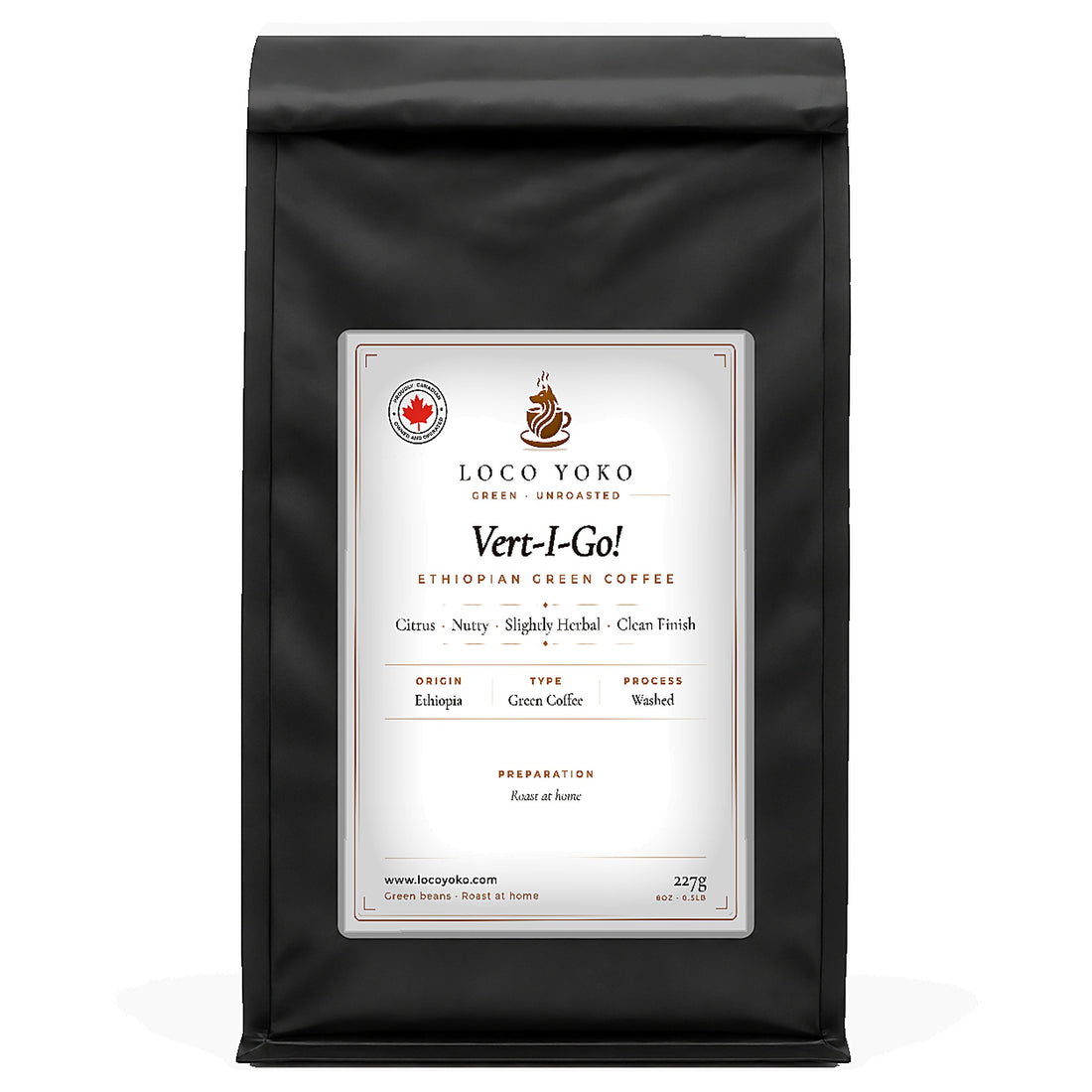


Vert-I-Go! - Ethiopian Green Coffee
Green Coffee Beans | Roasted at Home by You | Brought to You by LocoYoko Coffee Feeling a little light on your paws? Vert-I-Go! is a high-spirited roast-to-be that’s bursting with brightness and personality. These unroasted Ethiopian Sidamo beans bring a pronounced citrus aroma, vibrant acidity, and a...
 2026 Canadian Choice Award
Proud winner
2026 Canadian Choice Award
Proud winner
Cupping notes: Citrus · Nutty · Slightly herbal · Clean finish. Single-origin from Ethiopia. Roasted to order and stamped with its roast date — best enjoyed within 4 weeks.
We roast and ship Monday–Friday, usually within 24 hours. Free shipping Canada-wide on orders over $50; flat $6 under. Our 30-day happiness guarantee means we'll make it right.
Pour-over (V60): 1:16 ratio, 22 g coffee to 350 g water at 94 °C, ~2:45 total. Prefer filter or French press? Pick your grind above and we'll dial it in.
The spec sheet.
Every bag is stamped with the day it was roasted. If it's older than 30 days when it reaches you, we'll replace it free.
What Canadians say.
Write a review
Showed up fast and tasted even better than I hoped. That citrus finish keeps me coming back.
Switched from the grocery-store stuff and never looked back. Loved discovering Ethiopia. Fresh every time.
Gorgeous cup. Citrus on the nose, smooth all the way down. Feels premium without the airs.
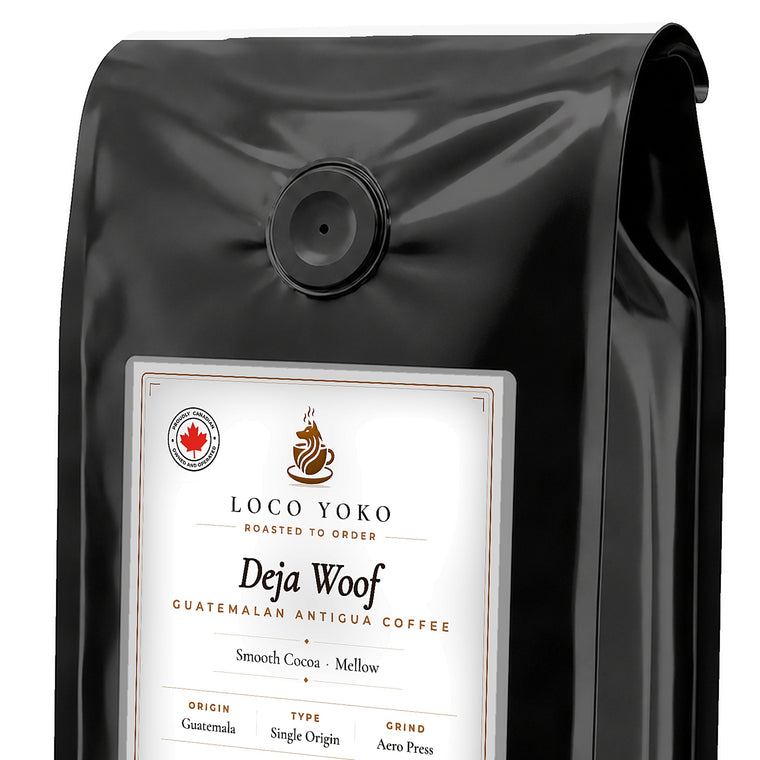
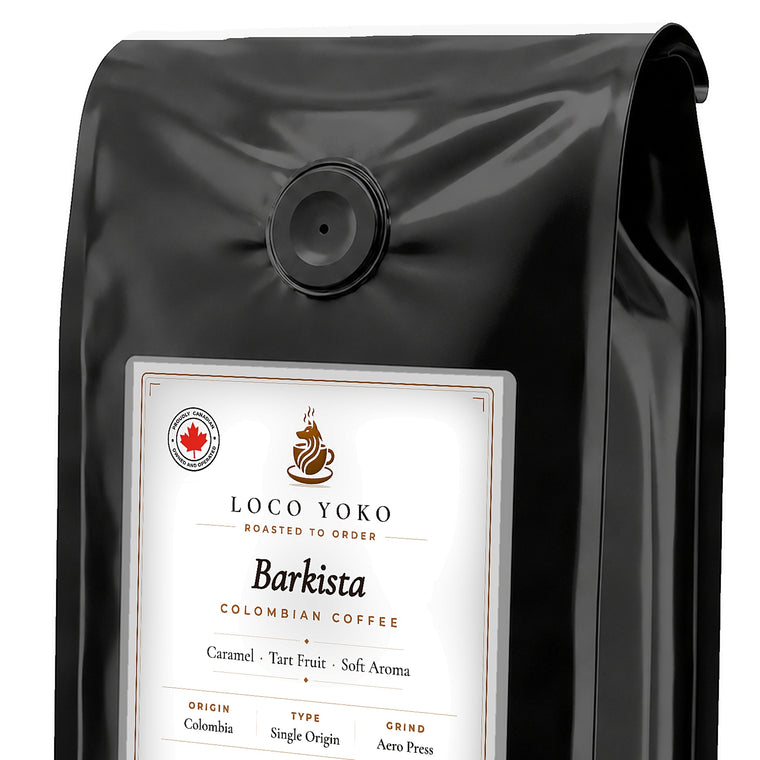
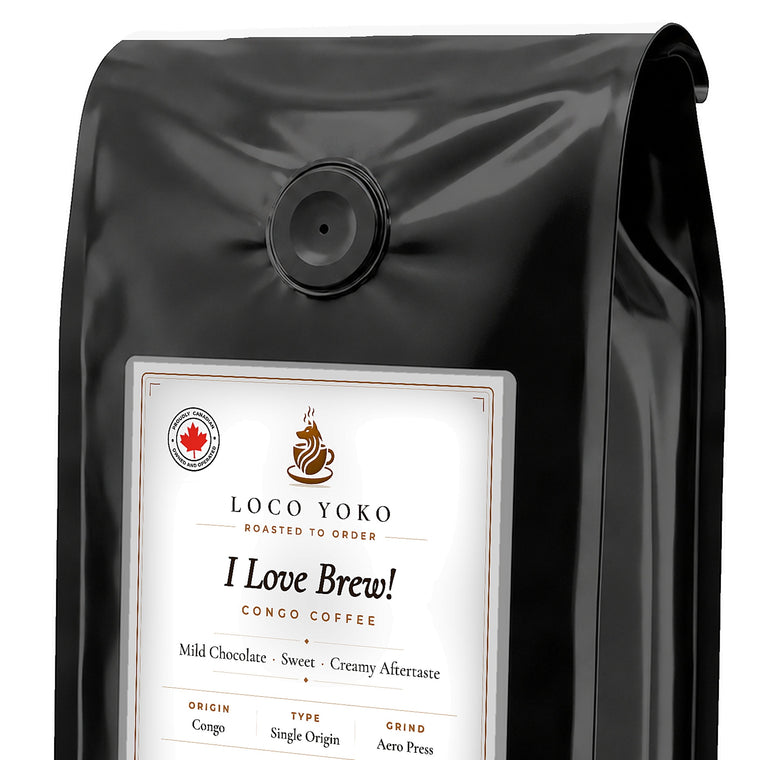
Pairs well with.
What Vert-I-Go! Actually Is
Vert-I-Go! is our unroasted Ethiopian green coffee — the same lot we use for several of our roasted Ethiopian offerings, sold here in its raw, pre-roast state. Among the ethiopian green coffee beans we've sourced over the years, this one is consistently the lot our team reaches for first when we want a clean, textbook example of what this origin can do. If you've spent any time browsing our coffee lineup, you'll notice most of what we sell is already roasted and rested. This one is different on purpose. It's for the segment of our customers who want the bean before we touch it with heat: home roasters, people dialing in their own roast curve, and coffee people who are simply curious what an Ethiopian lot smells and tastes like before it becomes what most people think of as "coffee."
These are dense, pale-green seeds with a faint grassy, almost tea-like aroma — nothing like the toasted, caramelized smell of a bag of roasted beans. That's normal. Green coffee doesn't develop its sugars, acids, and aromatics until it hits a roaster. What you're buying here is potential: the base material, grown at altitude in Ethiopia, that we and a lot of other roasters turn into the citrusy, floral cups Ethiopian coffee is known for. As unroasted green coffee beans Canada roasters can be picky about sourcing, we chose this lot specifically because it roasts consistently and expresses its origin character clearly at almost any roast level you take it to.
Where It Comes From
Ethiopia is coffee's birthplace — Arabica itself originated in the forests of the Ethiopian highlands, and the country still produces some of the most distinct, terroir-driven lots in the world. This particular selection draws on smallholder-farmed cherries grown at high elevation, where cooler nights slow the maturation of the coffee cherry and let more complex sugars and acids develop. That slow ripening is a big part of why ethiopian coffee beans consistently show brighter, more layered flavor than lower-altitude coffees from other origins. As a single origin ethiopia coffee beans selection, this lot isn't blended with anything else — every cup traces back to the same growing area and processing method, which is exactly why the flavor stays this consistent from batch to batch.
Processing matters just as much as altitude. Depending on the lot, Ethiopian coffee is typically either washed — where the cherry skin and fruit are removed before drying, giving a cleaner, more tea-like cup — or natural/dry-processed, where the whole cherry dries around the seed, adding heavier fruit and wine-like notes. Vert-I-Go! comes from washed-process lots, which is the processing style most associated with the bright, clean character people expect from a classic ethiopian yirgacheffe coffee or similar highland-grown selection, even when the specific washing station sits outside the Yirgacheffe zone itself.
Flavor Profile: What You're Actually Roasting Toward
Once roasted, this lot expresses citrus, a light nuttiness, a subtle herbal quality, and a clean, dry finish — no muddiness, no heavy body weighing it down. It's the kind of ethiopian coffee with citrus and nutty notes that makes a strong case for skipping cream and sugar entirely; there's enough going on in the cup black that adding anything tends to just mute it. If you're already familiar with our roasted Ethiopian coffee, that's the profile you're chasing when you roast this green yourself. The citrus shows up first, usually landing somewhere between orange zest and lemon depending on how far you take the roast. The nutty note comes in underneath, more of a background hum than a dominant flavor. And that herbal quality — think green tea or fresh-cut grass, subtle rather than assertive — is a signature marker of quality washed Ethiopian coffee and one of the easiest ways to tell you've bought real, well-processed green rather than a generic filler lot.
These flavor markers are why we and other roasters keep coming back to Ethiopia. Among the countries producing distinctive single-origin coffee, few can match washed Ethiopian lots for pure clarity of ethiopian coffee tasting notes — the cup tends to be transparent, meaning you can actually taste the individual elements (citrus, floral, nut) rather than one blurred "coffee" flavor. That transparency is a direct result of bean density, processing precision, and the terroir this lot is grown in. If you're specifically hunting for citrus notes coffee beans deliver at their brightest, washed-process Ethiopian coffee like this one is close to the benchmark the rest of the specialty world gets compared against.
Who This Green Coffee Is For
Be upfront with yourself about this purchase: green coffee beans require a roaster, or at minimum a stovetop popcorn popper or a dedicated home-roasting drum, plus decent ventilation and a willingness to accept some smoke and chaff in your kitchen. If that sounds like your kind of weekend project, this is a genuinely excellent lot to start on, because Ethiopian coffee tends to be forgiving to roast and rewarding even for a first attempt — you don't need a perfect roast to get a good cup out of it.
If you're newer to home roasting, we'd point you toward the lighter end of the roast spectrum with this bean, since the citrus and herbal notes are what make it special and they fade the darker you push it. A well-executed light roast ethiopian coffee is genuinely a different drink from a medium or dark roast of the same beans, and this lot is a good place to learn why roasters keep making that distinction. If you're an experienced home roaster building out a rotation of home roasting green coffee beans canada options, Vert-I-Go! is a solid benchmark lot — it's consistent from batch to batch, which makes it useful for dialing in your roast profile before you branch out to origins that behave less predictably on the roaster.
And if roasting your own coffee isn't something you're interested in — no judgment, it's a real time commitment — we'd steer you to Paws-itively Addictive, which is this same Ethiopian character already roasted, rested, and ready to brew. Same regional profile, none of the equipment or learning curve.
Roast Guidance
If you do roast this yourself, here's what we've found works well with this lot specifically:
- Light roast (first crack, minimal development time): This is where the citrus and herbal notes are loudest. It's the closest you'll get to what we consider the "true" expression of this Ethiopian lot, and it's what we'd recommend if brightness and clarity are what you're after.
- Medium-light roast (short post-first-crack development): The citrus mellows slightly into something closer to stone fruit, and the nutty note becomes more pronounced. Still a clean, bright cup, just slightly rounder.
- Medium and darker roasts: Workable, but you'll lose most of what makes this specific lot worth buying as a single origin. Past medium, the citrus and herbal character get roasted out and you're left with a generic, heavier cup that doesn't showcase the bean. If you want a darker, bolder cup, you're better off choosing a different origin suited to that style rather than pushing this one past its strengths.
Whatever roast level you land on, let the roasted beans rest. Just like our own roasted bags, coffee roasted from this green needs 24 to 72 hours off the roaster before brewing — degassing carbon dioxide during that window is what keeps the coffee from tasting flat or overly sharp when you brew it too soon.
Brewing Recommendations
Once rested, this lot's clarity and acidity make it a strong candidate for the best ethiopian coffee for pour over among the origins we carry. Pour-over methods (V60, Chemex, Kalita Wave) let the citrus and floral notes come through cleanly without a lot of body getting in the way, and a lighter roast paired with a pour-over brew is really where this coffee shows off.
A few practical notes for brewing it well:
- Use a medium-fine grind for pour-over, adjusting coarser if your brew time runs long or the cup tastes bitter.
- Water just off the boil, around 94-96°C, works well with the lighter roast levels this bean is suited to.
- A ratio around 1:16 (coffee to water) is a solid starting point; scale down toward 1:15 if you want more body and less brightness.
- If you don't have pour-over equipment, a clean AeroPress recipe (light-medium grind, shorter steep, gentle press) also does this coffee justice and highlights the clean finish light roast coffee drinkers tend to look for.
Avoid drip machines with lower brew temperatures or long contact times if you can — they tend to flatten out exactly the citrus and herbal notes that make this lot worth seeking out in the first place.
How It Compares to Our Other Ethiopian Coffee
We carry more than one coffee from this origin, and it's worth knowing how they differ. Browsing the full range of what we source from Ethiopia will show you a few different processing styles and roast levels, but the throughline across all of them is that same bright, citrus-forward character this green coffee is capable of producing. Vert-I-Go! gives you the raw material and full control over the outcome; our roasted Ethiopian bags give you a finished, consistent cup without any of the guesswork.
If you're comparing this to lots from other growing regions, the difference tends to come down to acidity and clarity. Ethiopian coffee, and washed Ethiopian coffee especially, tends to sit at the brighter, more delicate end of what specialty coffee beans canada shoppers can find, versus the heavier body and lower acidity you'd get from, say, a Sumatran or Brazilian lot. Neither is "better" — it depends what you're after in the cup — but if citrus, floral, and clean are the words that get you excited about coffee, this origin and this specific lot are exactly where you should be looking.
Storage and Handling (Green Coffee Specific)
Unroasted coffee is more forgiving to store long-term than roasted coffee, which is one of the underrated advantages of buying green. Keep it in a cool, dry, dark spot, ideally in a breathable bag or container rather than fully airtight, since green coffee is still a living seed with some moisture content that benefits from a bit of airflow. Stored properly, quality green coffee beans canada suppliers sell can hold their roast potential for many months to a year without significant flavor loss — a very different shelf life than roasted beans, which we recommend using within a few weeks of the roast date for the best cup.
That said, don't buy more green than you'll realistically roast in a reasonable stretch of time. Roasting is where the flavor gets locked in and then starts its own (much shorter) clock, so there's no advantage to stockpiling green coffee beans years in advance.
Why We Sell This Alongside Our Roasted Coffee
Most of what we do is roast-to-order in Toronto and ship fast, and that's still the right choice for the vast majority of people who just want a great cup with minimal effort. But we hear from enough home roasters, coffee students, and curious customers that we wanted to make it possible to buy ethiopian coffee online canada in its rawest form too — not just roasted and bagged. Selling green coffee also means we can offer this Ethiopian lot to people outside Canada who are restricted from importing roasted coffee but can bring in green, or to anyone who simply wants to taste the difference between roast levels themselves rather than take our word for it.
If you're building out a broader rotation of origins rather than just this one, our full coffee selection covers other growing regions and roast styles too, so you can compare what Ethiopia does against coffee from elsewhere in the world.
FAQ
Is Vert-I-Go! roasted or unroasted?
Unroasted. This is raw, green Ethiopian coffee in its pre-roast state. If you want this same Ethiopian flavor profile already roasted and ready to brew, Paws-itively Addictive is the roasted version we'd point you to.
Do I need special equipment to roast green coffee at home?
You need some way to apply consistent, controllable heat — a home coffee roaster, a modified stovetop popcorn popper, or an oven-based method all work, though results and consistency vary by method. You'll also want good ventilation, since roasting produces smoke and chaff. A proper home coffee roaster gives the most control and repeatable results if you plan to roast regularly.
What roast level brings out the best flavor in this lot?
Light to medium-light roasts preserve the citrus, nutty, and herbal notes that make this Ethiopian lot distinct. Push it into medium or darker territory and those delicate notes get roasted out, leaving a flatter, more generic cup. If bright, clean coffee is what you're after, stop early.
How should I brew coffee roasted from this green?
Pour-over methods like a V60 or Chemex, or a light-roast AeroPress recipe, showcase this coffee best. A medium-fine grind, water around 94-96°C, and a roughly 1:16 coffee-to-water ratio is a reliable starting point. Let the roasted coffee rest 24 to 72 hours before brewing, same as we recommend for our own roasted bags.
How is this different from your other Ethiopian coffee?
This is the unroasted, raw version — you control the roast level and timing yourself. Our other Ethiopian offerings, including Paws-itively Addictive, are roasted and rested by us and ready to brew straight away. Both come from the same origin character: bright, citrus-forward, washed-process Ethiopian coffee.
How is this different from your other Ethiopian coffee?
How long does green coffee last before I need to roast it?
Considerably longer than roasted coffee. Stored cool, dry, and out of direct light, green coffee holds its roasting potential for many months, often up to a year, without major flavor decline. We'd still recommend roasting in quantities you'll actually use within a reasonable window rather than stockpiling indefinitely.
Frequently asked questions
The essentials about this coffee. Still curious about something?
Ask us anything