How to Choose the Right Coffee Roast for You

The Wall of Bags Problem
You're standing in front of a shelf. Twelve bags, give or take, and the only thing separating them at a glance is a word: light, medium, dark. Maybe a country name you half-recognize. You want good coffee, not a lecture, and yet somehow this decision feels loaded. Here's the truth that should take the pressure off immediately: roast level isn't a hierarchy where darker equals stronger or more "serious." It's a flavor dial. Once you understand what that dial actually controls, picking a bag stops being a guess and starts being a preference — yours.
What Roasting Actually Does to the Bean
Green coffee beans are roasted in a slow-turning drum where heat drives off moisture, breaks down starches into sugars, and triggers the browning reactions that create the aroma and flavor we associate with coffee. The longer and hotter that process goes, the more the bean's original character gets replaced by the flavor of the roast itself. Light roasts stop early, before caramelization goes very far, so the bean's origin traits — florals, berry notes, citrus, tea-like brightness — stay front and center. Dark roasts push past that point into heavier caramelization and even light carbonization of the bean's oils, which is where you get those familiar notes of smoke, dark chocolate, and toasted nut. Medium roast sits in between, balancing origin character with roast character. Neither end of that spectrum is "better" coffee. They're just different destinations from the same starting bean.
Light Roast: Bright, Complex, Origin-Forward
Light roasts are for people who want their coffee to taste like where it came from. Because the bean spends less time in the drum, it retains more of its natural acidity and the subtle flavor compounds tied to altitude, soil, and variety. Expect tasting notes like stone fruit, citrus peel, jasmine, or berry, along with a lighter body — closer to tea than to syrup. This is also where single-origin coffees tend to shine, since there's less roast flavor masking the bean's own story. If you're curious how much a coffee's growing region actually shapes its cup, our interactive look at where each coffee comes from is a good rabbit hole. Light roasts reward manual brewing methods that give you control over extraction — pour-over, AeroPress, or a well-dialed drip machine — since their delicate acidity can turn sharp or sour if under-extracted.
Medium Roast: The Reasonable Middle Ground
Medium roast is where most people land, and for good reason. It keeps some of the origin's brightness while adding body, sweetness, and a rounder mouthfeel from the extra time in the roaster. Caramel, toasted almond, milk chocolate, and baked apple are common notes here. It's forgiving across brew methods — drip, pour-over, French press, even a basic Moka pot — which makes it the safest place to start if you don't yet know your preferences. If you're newer to specialty coffee, this is genuinely the least risky entry point, and it pairs well with milk without disappearing under it, which light roasts sometimes do.
Dark Roast: Bold, Roasty, Built for Milk and Pressure
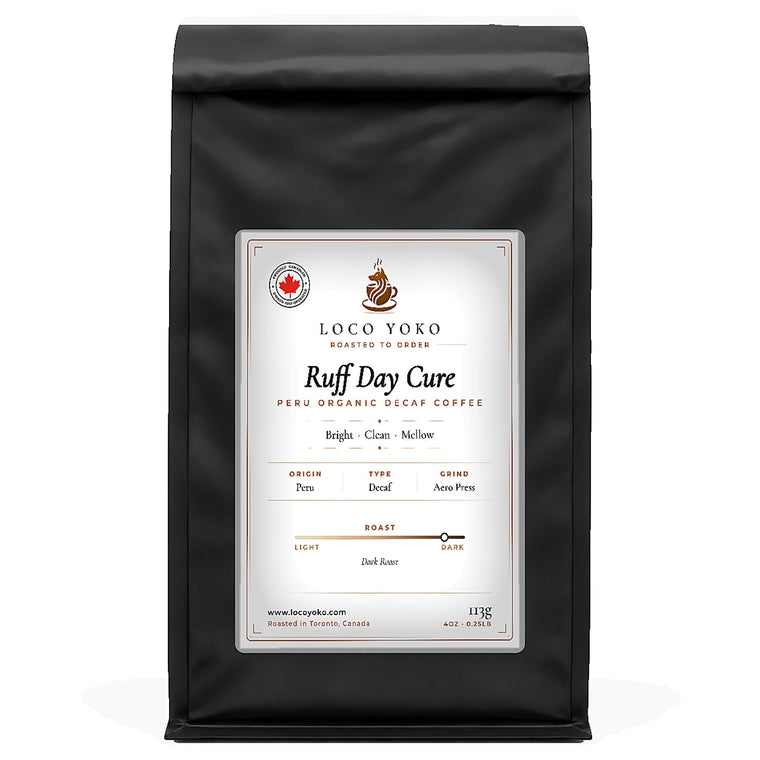
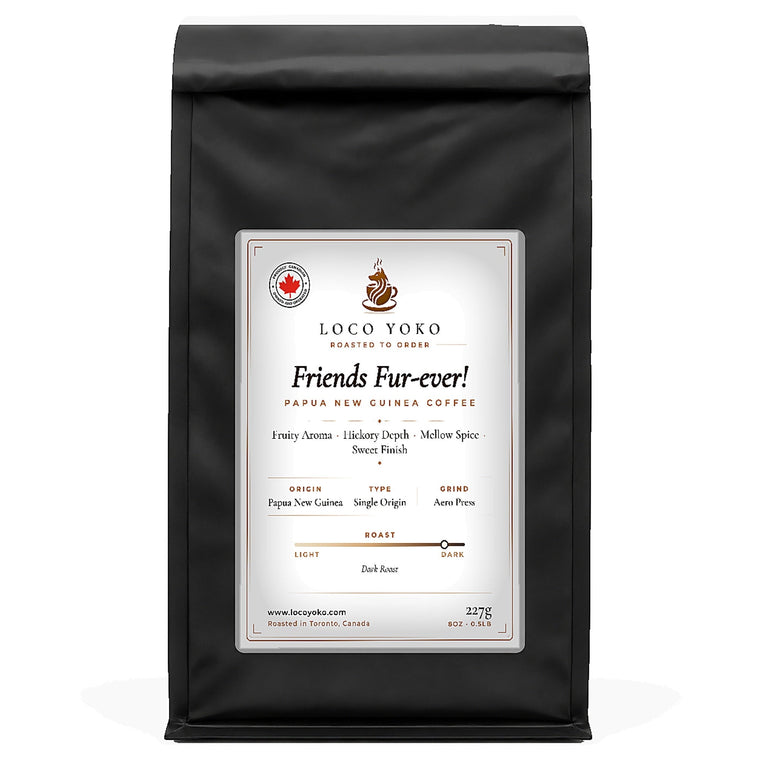
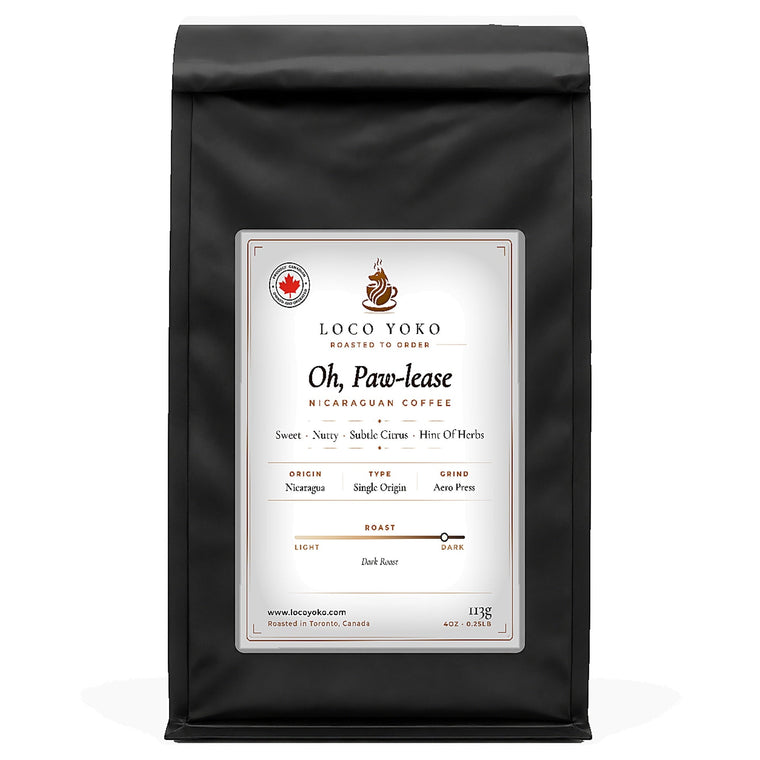
Dark roast trades acidity and origin nuance for depth, body, and that familiar roasty intensity — think dark chocolate, molasses, char, or roasted nuts. Because the bean's natural oils have migrated to the surface, dark roasts also produce a heavier, oilier mouthfeel, which is part of why they hold up so well against milk, ice, and pressure-based brewing. This is the territory of espresso: the concentrated extraction method benefits from a roast profile with lower acidity and bigger, blunter flavors that don't get lost under crema or steamed milk. It's no accident that most of what you'll find in our darker-roasted espresso lineup leans this direction — it's built for the method, not just tradition.
The Caffeine Myth, Debunked
This one deserves its own section because it's the most repeated coffee myth out there: dark roast does not have more caffeine than light roast. If anything, it's the opposite, and here's why. Caffeine is a remarkably heat-stable compound — roasting barely touches it. What does change is the bean's density and weight: longer roasting drives off more moisture and mass, so dark roast beans are lighter per bean than light roast beans. If you're measuring coffee by volume (a standard scoop), you'll actually fit slightly more light roast beans into that scoop by weight, meaning slightly more caffeine. If you're measuring by weight (which we'd recommend for consistency either way), the difference between roast levels is negligible. The real caffeine variables are bean species — robusta has roughly double the caffeine of arabica — and brew method, not roast color. So if you've been avoiding dark roast at night because you assumed it packs more of a punch, or reaching for it in the morning for the same reason, the roast level was never the deciding factor.
Matching Roast to Brew Method
Roast level and brew method aren't independent choices — they influence each other. A few reliable pairings:
- Pour-over or drip: light to medium roasts let the method's clarity highlight acidity and origin notes.
- French press: medium to dark roasts hold up well against the fuller-bodied, immersion-style extraction.
- Espresso: medium-dark to dark roasts generally produce a more balanced shot with less harsh acidity under pressure, though some roasters do push lighter espresso for brighter, more acidic shots.
- Cold brew: darker roasts tend to produce a smoother, less acidic result, since cold extraction already mutes brightness.
If you're not sure which method you even want to commit to yet, our grind size and brew method breakdown walks through what works with what, including grind coarseness for each — which matters just as much as roast level for how your cup actually turns out.
Body and Acidity: The Two Dials Worth Understanding
If you remember nothing else, remember these two variables, because they're what you're actually tasting when you say you "like" or "don't like" a roast:
- Acidity — not sourness, but brightness and liveliness in the cup. High in light roasts, fading as roast level increases.
- Body — the weight and texture of the coffee on your tongue, from tea-like to syrupy. Generally increases with roast level.
Most people's preference boils down to where they land on these two dials. If you tend to enjoy white wine over red, herbal tea over a heavy stout, you'll probably lean light to medium. If you gravitate toward stouts, dark chocolate, or a strong old-fashioned, dark roast will likely feel like home. Neither instinct is wrong — it's just information about your palate.
When You Genuinely Can't Decide
Some people taste three roasts side by side and still can't pick a lane, and that's completely normal — roast preference can also shift depending on the season, the brew method you're using that week, or just what you're in the mood for. Rather than guessing from a product photo, it's worth actually walking through our short taste quiz, which asks about what you already drink and like instead of assuming you know roast terminology. It takes less time than reading this article did. And if you land somewhere in the middle, or find your preference actually changes by mood or season, a rotating coffee subscription is a low-effort way to keep sampling roasts without committing bag by bag — you get to build an actual palate instead of a single guess.
Trust the Bag You Keep Reaching For
Roast level is a starting point for a conversation, not a verdict. The best way to figure out your lane is to actually taste your way through it — grab a light roast one week, a dark the next, pay attention to what you notice, and let that guide the next bag. Our full coffee lineup spans the whole spectrum, roasted to order rather than sitting on a shelf for months, so whatever you land on will actually taste like what we just described. The wall of bags stops being intimidating the moment you realize you're not choosing right or wrong — you're just finding yours.