Whole Bean: What It Suits and How to Get It Right

If you've stood in front of a shelf trying to decide between a bag that says "whole bean" and one that's already been ground for you, you already know the choice isn't obvious. Whole bean coffee takes an extra step at home — you need a grinder — but that one step is doing more for your cup than almost anything else you can control. It's not a trend or a snob move. It's the single biggest lever most people never pull.
Whole Bean Coffee: What You're Actually Buying
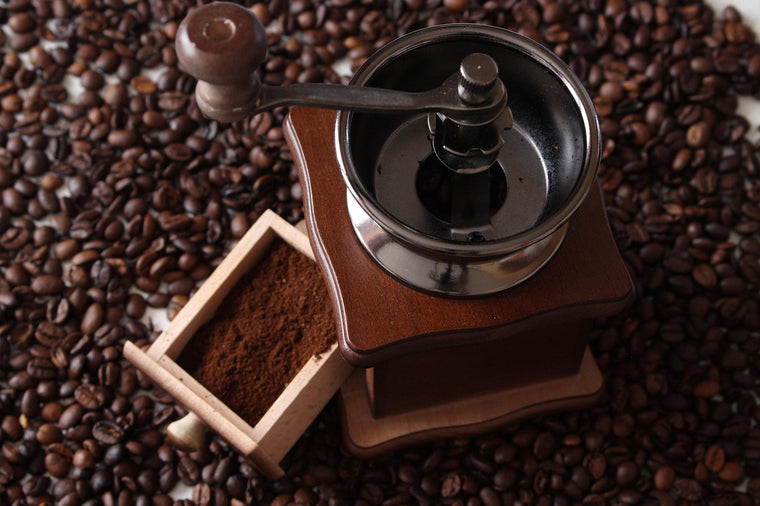
When you buy it whole, you're buying beans in the state they left the roaster: intact, with their oils and aromatics sealed inside instead of exposed. Grinding cracks the bean open and multiplies its surface area many times over, which means everything that makes coffee smell and taste good — the volatile aromatic compounds, mostly — starts escaping into the air the moment the grind happens. Buy it pre-ground and that clock started ticking before the bag ever reached you. Buy it whole and you control exactly when that clock starts: right before you brew.
Why Whole Bean Stays Fresher, Longer
This part is just physics, not marketing. Less exposed surface area means slower staling, full stop. A bag of whole beans stored properly, away from light, heat, and air, can hold its flavour for weeks after roasting. Coffee that's already ground, with all that surface area exposed at once, loses its edge in days rather than weeks — even in a sealed bag, because grinding itself is what starts the clock, not just opening the package. That's also why every bag we roast ships with a one-way valve: it lets the CO2 the beans naturally release escape without letting outside air in, which matters a lot more for whole bean than for ground, since whole beans keep releasing gas for days after roasting.
Whole Bean vs. Ground Coffee: What Actually Changes
The flavour gap between whole bean and ground coffee is real, but it's not the only difference worth knowing about. Ground coffee is convenient — no grinder needed, no extra step before your first cup — and for some brewers, like a basic drip machine with a fixed setting, that convenience is a fair trade. What you give up is control. Different brew methods want different grind sizes: coarse for a French press, fine for espresso, somewhere in between for drip and pour-over. A bag that's already ground is locked into one grind size that can't serve all of those well, while whole bean lets you grind fresh for whatever you're brewing that day, adjusting coarser or finer as you go.
There's also a texture and quality gap that's easy to underestimate. Pre-ground bags can sit on a warehouse shelf for a while before they reach a store, and by the time they're brewed, a fair amount of what made the beans good to begin with has already drifted off. Compare a fresh cup made from beans ground minutes before brewing against a cup made from a bag of coffee grounds that's been open for a couple of weeks, and the difference is obvious even to someone who doesn't think much about coffee day to day.
Where to Find It and Who's Doing It Well
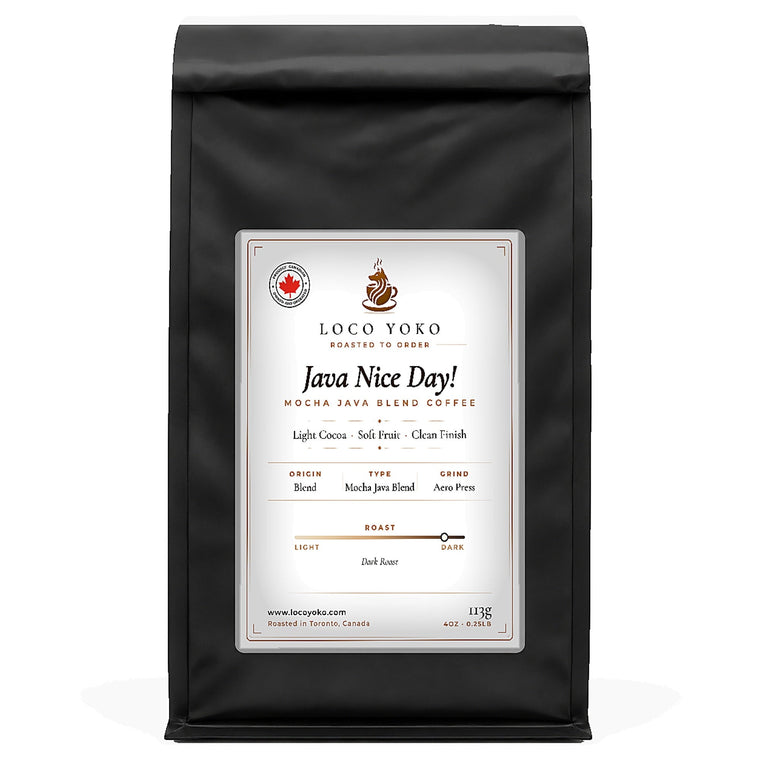
It isn't hard to find, but not every source treats it the same way. Big-box shelves often stock whole bean right alongside grinded coffee beans and coffee ground pouches from the same brands, roasted on the same industrial schedule months before you buy them — and that applies across the range, whether you're after a classic medium, an organic bean coffee, or a decaf coffee bean option for the evenings. Independent roasters tend to build their whole bean program around turnover instead: smaller batches, roasted more recently, meant to be bought and used within weeks rather than sitting in a warehouse. That's the same principle behind roasting to order: we roast in Toronto and stamp every bag with the roast date, so you know exactly how fresh what you're grinding actually is, not a guess based on a "best before" printed months in advance.
How to Get It Right at Home
Buying whole bean coffee is the easy part. Getting the most out of it takes a bit of care:
- Grind right before brewing — even ten minutes ahead of time gives aroma a head start on escaping. Grind, then brew.
- Match the grind to the method — coarse for French press and cold brew, medium for drip, fine for espresso. Our coffee-to-water ratio chart is a good place to start dialling in both grind and ratio together.
- Store it properly — an airtight container, away from direct light and heat, not the fridge or freezer where condensation can work its way in.
- Buy less, more often — a smaller bag you finish in two or three weeks beats a big one that sits half-used for two months.
- Don't waste the leftovers — used coffee grounds are genuinely useful around the house, from the compost bin to a natural odour absorber in the fridge, so nothing has to go straight in the trash.
None of this requires expensive gear. A basic burr grinder will outperform a pre-ground bag every time, and you can always grow into a nicer setup later. If you're choosing your first grinder, prioritize a burr model over a blade one — blades chop unevenly, leaving a mix of fine dust and chunky fragments in the same batch, which brews inconsistently no matter how good the beans are. A burr grinder crushes beans between two surfaces to a consistent size, which is what actually lets you dial in a grind that matches your brew method instead of fighting it. What matters more than the equipment, though, is the habit: grind close to brew time, buy in amounts you'll actually use, and treat freshness as the thing you're really paying for.
A Quick Word on Storage
Where you keep your beans matters almost as much as when you buy them. Heat and light break down flavour compounds fast, so a cupboard away from the stove or a sunny window beats a countertop canister every time. Skip the fridge and freezer for your everyday bag — the temperature swings every time you open the container pull in moisture, and moisture is one of the fastest ways to dull a good roast. A freezer can work for long-term storage of beans you won't touch for a month or more, portioned into small, airtight amounts so you're not opening and closing the same bag over and over, but for coffee you're drinking within a couple of weeks, room temperature in a sealed container is simpler and works just as well.
Not Sure Which Grind Fits Your Brewer?
Every bag we sell lets you choose your grind at checkout, whole bean included, so you're never stuck with the wrong setting for your machine. If you're not sure what your brewer actually needs, our grind guide breaks it down method by method, and our quick quiz can point you toward a roast that suits your taste while you're at it. Once you've got the right grind sorted, browse the full coffee lineup and pick a bag worth grinding fresh.