Coarse for French Press: What It Suits and How to Get It Right

The right french press grind size is coarse: think coarse sea salt or breadcrumbs, with chunky, visibly uneven pieces rather than anything close to sand. Get that one variable right and a French press gives you one of the most full-bodied, forgiving cups you can brew at home. Get it wrong and you end up with a bitter, muddy mug and a layer of sludge at the bottom. Here's why coarse works, what it should look like, and how to fix the cup when it tastes off.
Why french press grind size matters so much
A French press is an immersion brewer. All the water and all the coffee sit together for several minutes, then a metal mesh filter holds the grounds back when you plunge. That setup behaves very differently from a paper-filtered drip machine, and it changes what grind you need.
Two things are going on. First, contact time is long, usually around four minutes. The longer water touches coffee, the more it dissolves. A fine grind has loads of surface area, so it keeps extracting well past the point where the flavour is balanced and starts pulling out the harsh, bitter compounds. A coarser grind slows that down and gives you a sweet spot you can actually hit.
Second, the mesh is not paper. It lets natural oils and a little fine sediment through, which is a big part of why press coffee feels so rich and heavy on the tongue. But if the grind is too fine, particles slip through the mesh or clog it, and that is where the silty last sip and the stiff, hard-to-press plunger come from.
What coarse ground coffee actually looks like
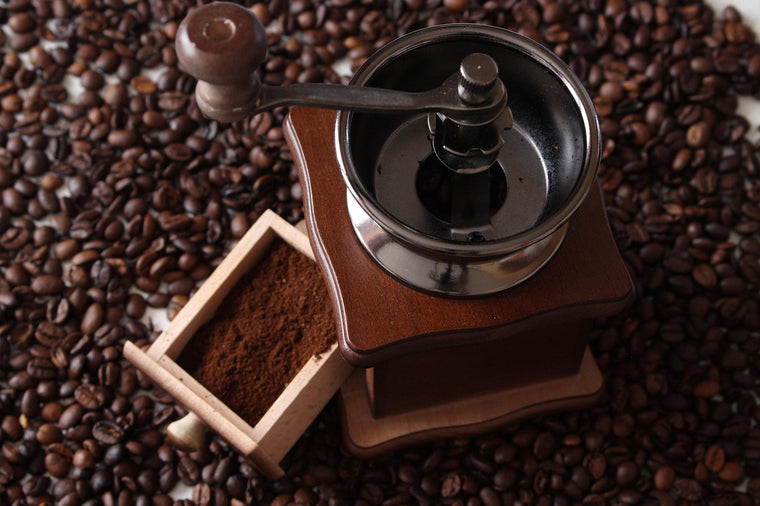
Rub a pinch between your fingers. Coarse ground coffee should feel like rough, chunky crumbs, with each piece distinct and easy to pick out. If it feels soft, powdery or like table salt, it's too fine for a press.
How the coffee was ground matters as much as the setting. A burr grinder crushes beans between two surfaces and produces pieces that are broadly similar in size. A blade grinder chops, which gives you a mix of boulders and dust. In a press the dust over-extracts and ends up in your cup, while the boulders under-extract. That is how a single brew can taste sour and bitter at the same time. If you grind at home, a burr grinder is the best upgrade you can make for a French press.
If you'd rather skip the grinder question altogether, you can choose the coarse grind on the product page and your coffee arrives ready for the press. Our grind guide shows which setting suits each brewer, and it's worth keeping open next to your kettle while you're dialing things in.
A simple recipe to start from
You don't need a scale to make good coffee, but one makes your results repeatable. Here is a reliable starting point for a standard 600 mL press:
- Coffee: 30 g, coarsely ground. That's about four level tablespoons.
- Water: 450 g (about 450 mL), just off the boil. Roughly 93 to 96°C is ideal, so let the kettle sit for 30 seconds after it clicks off.
- Ratio: about 1:15, which suits immersion brewing. Our coffee-to-water ratio chart covers other brewers and how to scale up or down.
Add the coffee, pour in about half the water, and let it sit for 30 seconds so the grounds can release gas. Pour in the rest, give it one gentle stir, and put the lid on with the plunger pulled up. When you're asking how long to steep french press coffee, four minutes is the standard answer and the best starting point. Then press down slowly and steadily. If you have to lean on it, the grind is too fine.
One habit makes a surprising difference: pour all of it out straight away. Coffee left sitting on the grounds keeps extracting, so a cup that tasted lovely at minute four can taste harsh by minute twenty.
Troubleshooting by taste
Your cup tells you what to change. Adjust one thing at a time so you know what helped.
- Bitter, harsh or dry: over-extracted. Go a notch coarser, or shorten the steep to about three and a half minutes.
- Sour, thin or hollow: under-extracted. Go a notch finer, or let it steep a little longer. Also check your water wasn't well below the boil.
- Lots of sludge in the cup: too much fine material. Move coarser, skip the second stir, and let the press rest for a minute after plunging before you pour.
- Plunger fights back: the grind is too fine, or you've packed in too much coffee. Back off one step.
- Flat and muted despite a good grind: the beans may be tired. Coffee tastes its best in the weeks after roasting, so check the roast date on the bag.
It's also worth tasting the very last pour separately. If the final few millilitres are muddy and bitter, that's the fine material that settled to the bottom. Many people simply stop pouring just short of the dregs.
Choosing coffee for your press
Because a French press keeps the oils in the cup, it rewards coffees with body and sweetness. Medium and medium-dark roasts are classic choices, with notes of chocolate, nuts and caramel coming through clearly. Lighter roasts work well too if you want brighter, fruitier flavours, though you may need to steep a touch longer to bring out their sweetness.
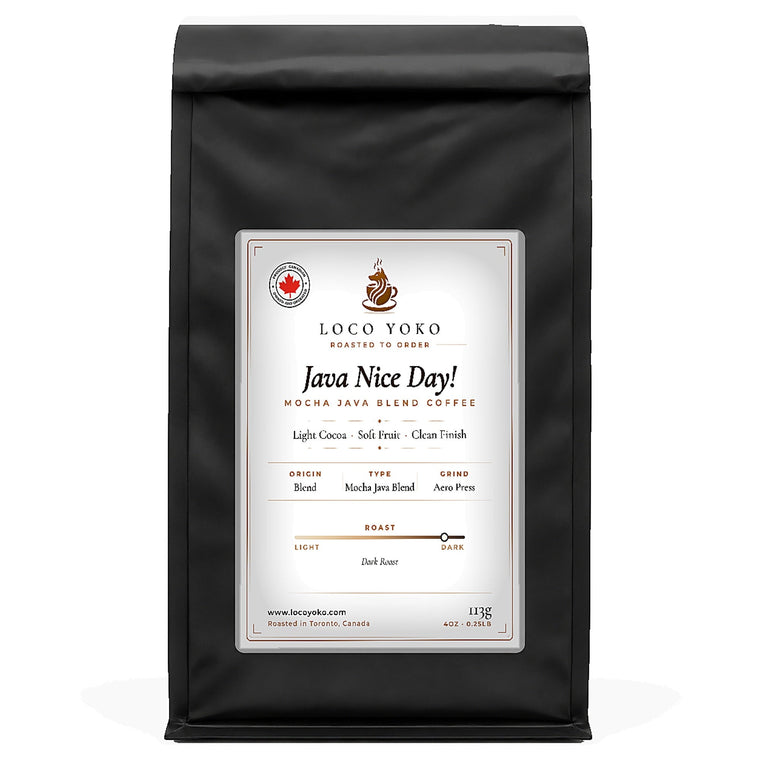
Freshness matters more here than in almost any other method, because there is no paper filter to hide stale flavours. Every coffee in our range is roasted after you order, so what arrives is as fresh as we can make it. Browse the full coffee collection, or take the coffee quiz if you'd like help choosing a roast and origin that suit how you drink.
A French press is forgiving, but it isn't magic. Start with the coarse grind, keep the steep to around four minutes, and adjust a little at a time. Within a few brews you'll know exactly where your sweet spot sits, and you'll have a morning routine that costs almost nothing and tastes like you made an effort.