How Long Does Coffee Stay Fresh? Roast Date vs. Best-Before

The Bag on Your Counter Isn't Lying to You — It's Just Not the Whole Story
Pick up almost any bag of coffee from a grocery store shelf and you'll find a best-before date stamped somewhere near the bottom seam — usually a year, sometimes eighteen months, out from the day you're standing there reading it. That date is technically true. The coffee won't spoil, won't make you sick, won't taste like cardboard in the way milk goes bad. But "won't kill you" and "tastes good" are two very different promises, and grocery-store coffee only ever makes the first one. If you've ever wondered why coffee from a real roaster tastes so much brighter and more distinct than what you're used to, the answer usually isn't the beans themselves. It's timing.
What "Fresh" Actually Means for Coffee
Coffee doesn't spoil the way bread or produce does — you're not fighting bacteria or mold under normal storage conditions. What you're fighting is oxidation. The moment beans come out of the roaster, they start releasing carbon dioxide (that's why fresh coffee bubbles and blooms when you pour water over it) and slowly absorbing oxygen from the air around them. Oxygen is the enemy here: it breaks down the aromatic oils and volatile compounds that give coffee its flavour, gradually flattening a cup that once had bright citrus or berry notes into something duller, flatter, and generically "coffee-flavoured."
This is a slow fade, not a cliff edge. Coffee doesn't go from great to ruined overnight. But it does have a real window where it tastes its best, and that window is a lot shorter than most people assume.
The Actual Freshness Timeline
Peak flavor generally lands somewhere between four days and about three to four weeks after the roast date, depending on how you brew:
- Espresso is the most sensitive. It typically needs a short rest of four to seven days after roasting to let excess CO2 escape (too much gas causes uneven extraction and thin crema), then tastes best for roughly two to three weeks after that.
- Drip, pour-over, and French press are more forgiving. These methods can taste great from just a couple of days post-roast out to around four weeks, since the brewing process itself handles gas release differently than pressurized espresso.
- After the four-week mark, coffee isn't "bad," but it's noticeably past its best. The nuanced, origin-specific notes fade first, leaving a flatter, more one-dimensional cup.
Compare that three-to-four-week window to a best-before date sitting a year or more in the future, and it's clear the two numbers are answering completely different questions. One tells you when coffee tastes best. The other tells you when it becomes technically unsellable. For a roaster, only the first one matters.
Why the Roast Date Is the Only Date Worth Trusting
The roast date tells you something the best-before date never can: exactly where in that flavor curve your bag currently sits. A bag roasted four days ago and a bag roasted eleven months ago can carry the same best-before date and taste like completely different products.
The catch is that most large commercial roasters don't print a roast date at all, because their supply chain isn't built around one — beans get roasted in bulk, warehoused, and shipped out over months, so a precise roast date would actually work against them. That's a structural difference, not a minor labeling choice. A roaster that roasts to order, rather than pulling from a warehouse of pre-roasted stock, has every incentive to print the roast date clearly, because it's proof of how fresh what you're buying actually is. If a bag doesn't have one, that absence is itself useful information about how the coffee was produced and stored before it reached you.
How to Store Coffee Once You've Got It Home
Good storage won't undo staling that's already happened, but it will slow the clock down considerably. The goal is to limit coffee's exposure to the four things that accelerate oxidation and flavor loss:
- Air — keep beans in an airtight container. Every time a bag is opened and closed, oxygen gets back in, so minimize how often and how long it's exposed.
- Light — UV light degrades the oils in coffee, so store it somewhere dark, not in a clear jar on a sunny counter.
- Heat — a cool, stable spot in the pantry is ideal. Next to the stove or in a hot kitchen corner speeds up staling.
- Moisture — coffee is porous and absorbs humidity easily, which is where a persistent myth comes in.
The Freezer and Fridge Myth
A lot of people assume the fridge or freezer is the safest place for coffee, treating it like produce. It's not, and for a specific reason: coffee is highly porous and absorbs both moisture and odors from whatever is around it. Pull a bag out of the fridge and it will pick up trace flavors of last night's leftovers along with condensation every time it goes in and out, since that temperature swing causes moisture to form on the beans. The freezer has the same condensation problem on top of it. Unless you're vacuum-sealing coffee in genuinely airtight, moisture-proof portions specifically for long-term storage, a cool dark cupboard will keep it fresher than either appliance. Simple, boring, and correct: airtight container, dark cabinet, room temperature, away from the stove.
Buy What You'll Actually Drink
The single biggest lever most people aren't using is quantity. Given that peak flavor lasts roughly two to four weeks, buying a large bag "to save a trip" often just means drinking half of it while it's excellent and the other half while it's mediocre. Buying only what you'll get through in two to four weeks keeps every cup inside that peak window, and it's also just a better use of money — you're not paying for beans that lose value sitting in your cupboard. If you're unsure what size actually matches your household's drinking habits, our grind and brewing guide walks through bag sizing alongside grind settings, so you're not guessing.
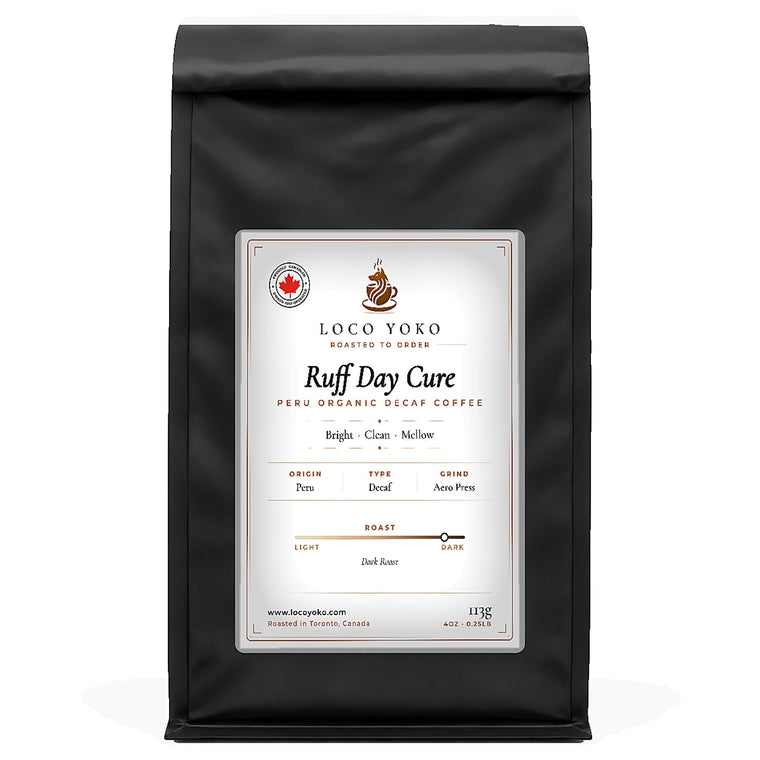
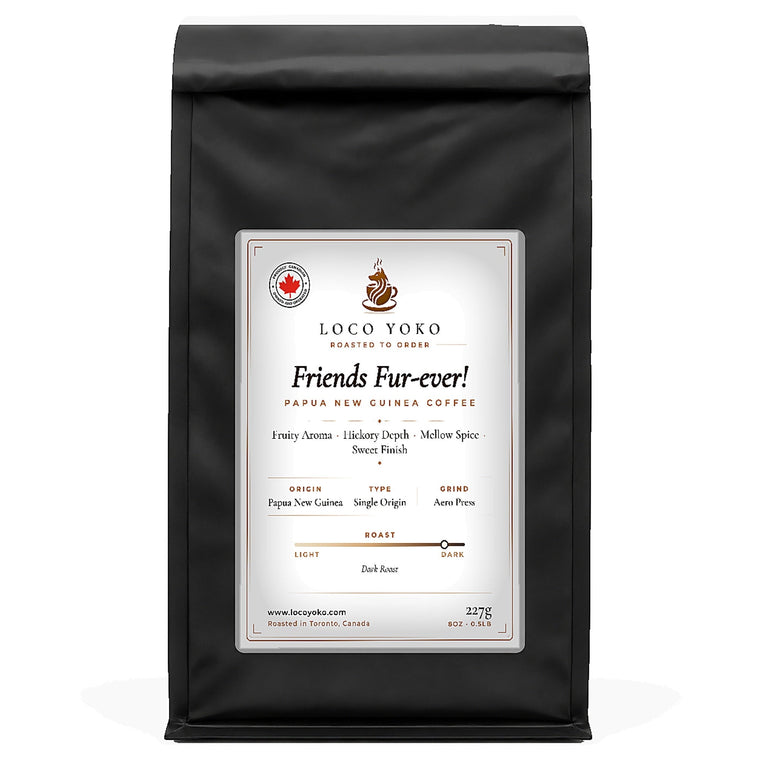
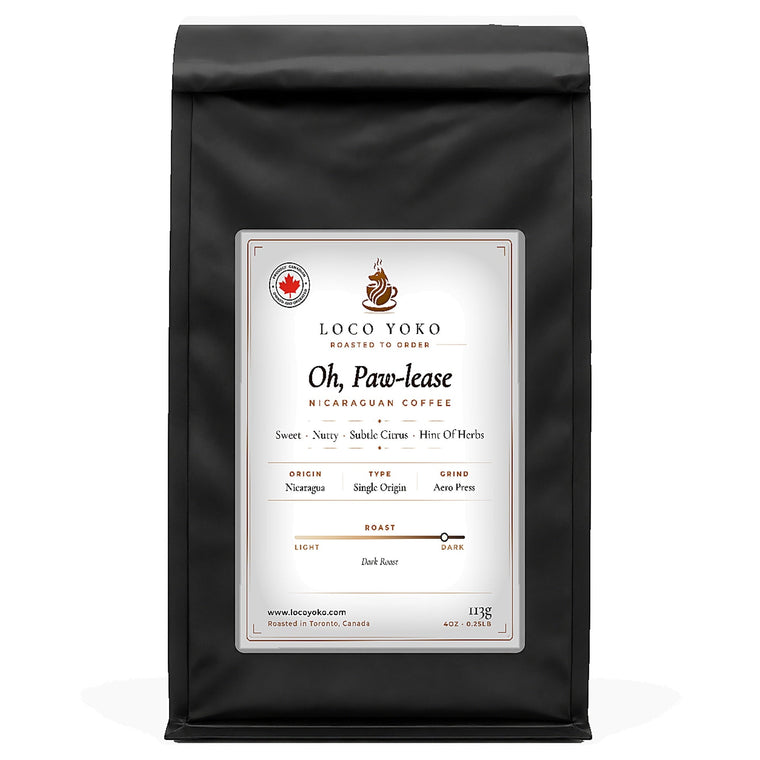
This is also the logic behind roasting to order instead of stocking a warehouse: a bag that gets roasted only once you've ordered it starts its freshness clock as close to your doorstep as possible, rather than sitting for weeks or months before it even reaches a shelf. Browsing our current coffee lineup, you'll notice every listing reflects what's roasted fresh for that batch rather than pulled from old inventory. And if you're curious how growing region and processing method shape what ends up in your cup, the coffee origins explorer is a good rabbit hole for connecting flavor back to where a bean actually came from.
Making Freshness Automatic
The most reliable way to stay inside that freshness window without thinking about it is to stop trying to time single purchases altogether. A coffee subscription roasted fresh and shipped on a schedule you set solves the stockpiling problem by design — new beans show up right around when the last bag is running low, so you're never stretching a bag past its prime just to avoid running out.
None of this requires becoming a coffee obsessive. It just means treating the roast date the way you'd treat a "made on" stamp rather than ignoring it in favor of a best-before number that was never really about flavor in the first place. Check the date, store it away from light and heat, skip the fridge, and buy in amounts you'll actually finish while it's good. The coffee does the rest.