Coffee Subscriptions in Canada: How They Really Work

The Subscription Box That Wasn't Fresh
A few years back, a customer told us she'd cancelled a big-brand coffee subscription because she did the math and realized her "freshly delivered" bag had been sitting in a distribution warehouse for six weeks before it even shipped. The roast date on the bag was stamped, but it was stamped the day it was packed for shipping, not the day it was actually roasted. That's the quiet problem with a lot of coffee subscriptions in Canada: the subscription model itself is fine, but what's inside the bag often isn't what you think it is.
If you're considering a coffee subscription for the first time, it's worth understanding both how these programs are structured and what separates a genuinely good one from a bag-of-the-month club dressed up in nice branding.
How Coffee Subscriptions Actually Work
Most subscriptions follow the same basic shape, regardless of who's running them:
- You pick your coffee. Either a specific bean, a rotating selection, or a "let us choose" option based on your taste preferences.
- You set a frequency. Typically every one, two, three, or four weeks, based on how much you actually drink.
- You choose a format. Whole bean or ground, and if ground, for what brew method.
- It bills and ships automatically. Your card is charged on a set schedule and the bag shows up without you having to reorder.
- You can pause, skip, or cancel. At least, you should be able to — more on that below.
That's the whole mechanism. It's not complicated. Where subscriptions differ wildly is in the details underneath those five bullet points, and those details are what determine whether you're getting a good deal or just convenient mediocrity.
What to Actually Look For
Roast date transparency
This is the single most important thing to check before signing up for anything. A legitimate specialty roaster prints the actual roast date on the bag, not a "best before" date, not a packed date, and definitely not a vague date range. If a company won't tell you when the coffee was roasted, assume it's old. Coffee peaks in flavour within the first two to three weeks after roasting and declines steadily after that, so a roast date is really the only piece of information that tells you what you're about to drink.
The ability to customize your grind
A subscription that ships whole bean only, or ships pre-ground for a drip machine when you own a French press, isn't built around you — it's built around the roaster's fulfillment convenience. Good subscriptions let you specify grind size to match your actual brew method, and adjust it any time your setup changes. If you're not sure what grind matches what method, a grind size and brew method reference is worth five minutes before you place your first order.
Real flexibility, not fine print
Check for the ability to skip a delivery, change frequency, swap the coffee, or cancel outright, all without calling customer service or digging through account settings designed to be confusing. If a company makes it hard to find the cancel button, that tells you something about how confident they are that you'd stay if it were easy to leave.
No weird contracts or minimum commitments
Some subscriptions quietly lock you into a minimum number of shipments before you can cancel, or charge a cancellation fee disguised as a "membership." A subscription should be exactly what the word implies: ongoing by default, off whenever you want.
The Real Cost and Convenience Math
People often assume a subscription is either a discount trick or a markup trick, and it can be either depending on the company. The honest comparison looks like this: buying coffee ad-hoc means remembering to reorder before you run out, which in practice means most people either run out and drink stale grocery-store coffee for a few days, or over-order and end up with bags going stale on the shelf. A subscription solves the timing problem, but it only saves you money or hassle if the coffee arriving on schedule is actually good and actually the right amount.
The best way to get that amount right is to start with a realistic sense of how much you drink and how you like it. If you're newer to specialty coffee, our short quiz to match you with a roast is a faster starting point than guessing from a list of origin names and tasting notes. From there, most people land on a two- or three-week cadence for a single household, and adjust after the first couple of shipments once they see how fast a bag actually disappears.
Why "Roasted the Week It Ships" Is the Real Differentiator
Here's the part most subscription marketing glosses over: a lot of larger coffee subscription operations roast in large batches on a fixed schedule, then hold that roasted coffee in warehouse inventory and ship from it as orders come in over the following weeks. The bag might say "freshly roasted" on the label, and technically it was, at some point. But if you're the customer whose order gets pulled from week five of that batch's shelf life, you're drinking coffee that's already well past its flavour peak, packaged to look otherwise.
Roast-to-order works differently: your coffee isn't roasted until your specific order is placed, or shipped within days of a small-batch roast run rather than pulled from standing inventory. That means the bag showing up at your door was roasted for you, not roasted for a warehouse shelf. The tradeoff is that roast-to-order can't compete on same-day shipping the way a warehouse operation can, but for coffee specifically, that short wait is exactly what you want. Nobody complains that fresh bread takes longer than shelf-stable bread.
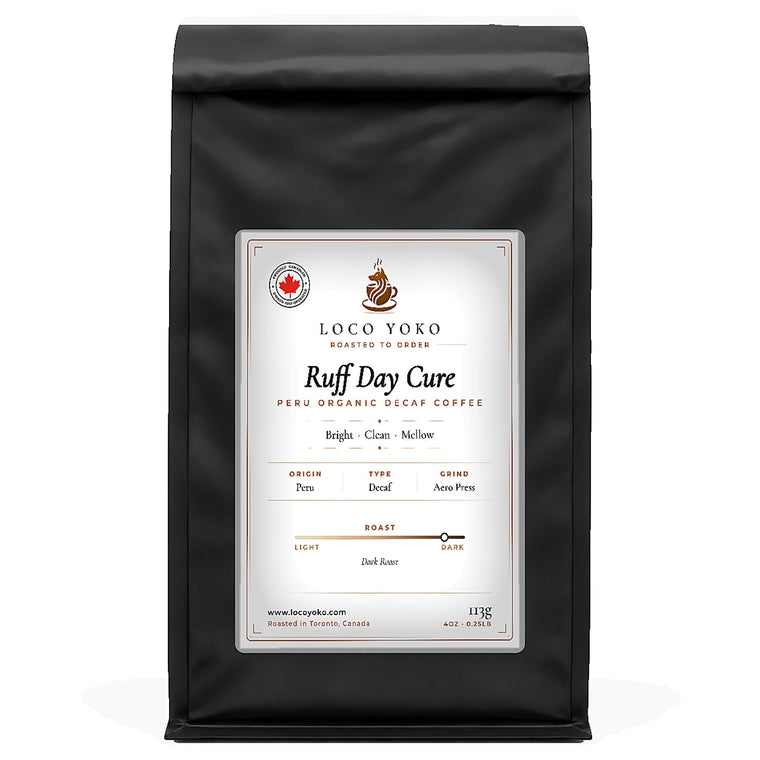
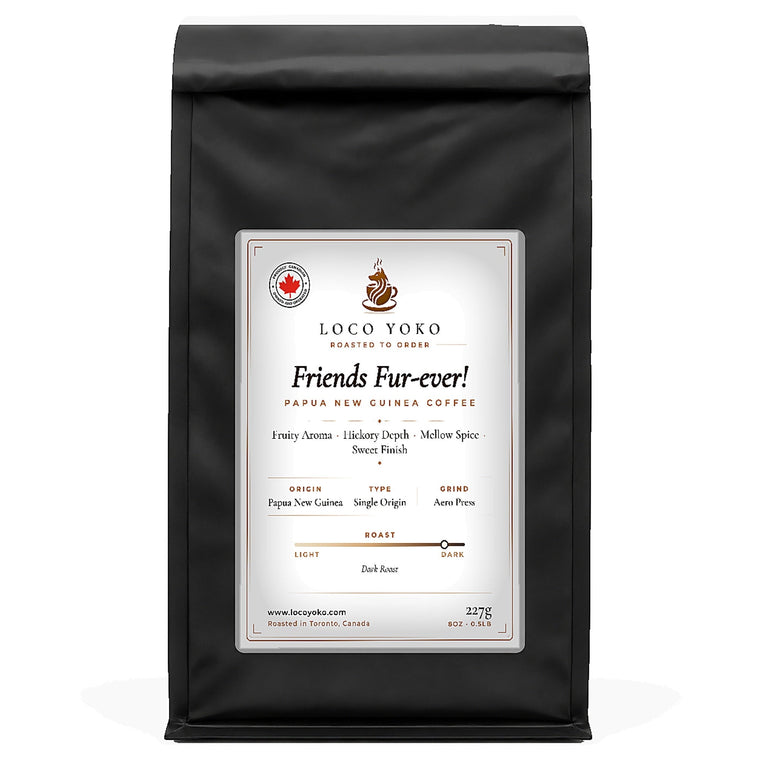
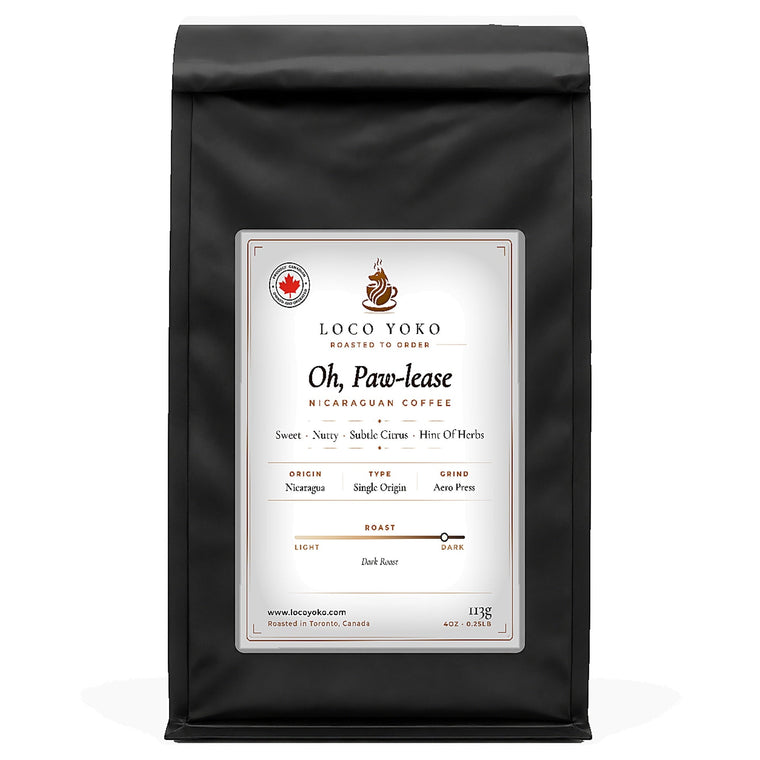
This is the whole reason we built our subscription program the way we did. Every order is roasted to ship fresh, not pulled from a backstock pile, which is a meaningfully different promise than most subscription boxes are making even when the marketing language sounds identical.
Starting Small Before You Commit
If you're not ready to commit to a recurring order, there's nothing wrong with buying a couple of bags individually first from our full coffee lineup to get a feel for roast styles and freshness before locking in a schedule. A subscription should earn your trust with a few strong bags, not ask for it upfront. Once you know what you like, setting up a recurring order through our subscription page takes less time than the coffee took to brew this morning.
It's also worth mentioning that this same freshness logic applies outside the home. Offices that go through a lot of coffee often default to whatever bulk-roasted bags show up from a big-box supplier, without realizing a recurring order from an actual roaster can be just as convenient and dramatically better. If that's a problem you're dealing with at work, our wholesale program for offices and businesses is built around the same roast-to-order principle, just scaled up.
The Bottom Line
A coffee subscription is a logistics tool, not a flavour guarantee. The mechanics — pick your beans, set a frequency, pause or cancel whenever — are essentially the same everywhere. What actually separates a good one from a mediocre one is whether the company is transparent about roast dates, flexible about grind and frequency, honest about cancellation, and, most importantly, whether the coffee in your bag was roasted for your order or pulled from a pallet that's been sitting around for a month. Ask those questions before you subscribe to anything, and the rest tends to sort itself out.